

Hello all,
It’s nearly time for our final discussion on The Idiot. We meet tomorrow, at noon ET. The discussion will be live streamed here for those joining via Substack.
For those joining our discussion group directly (available to all paid members), the Zoom link is at the bottom of this email.
Below are some key ideas to consider as we continue through the rest of Parts 3 and 4…
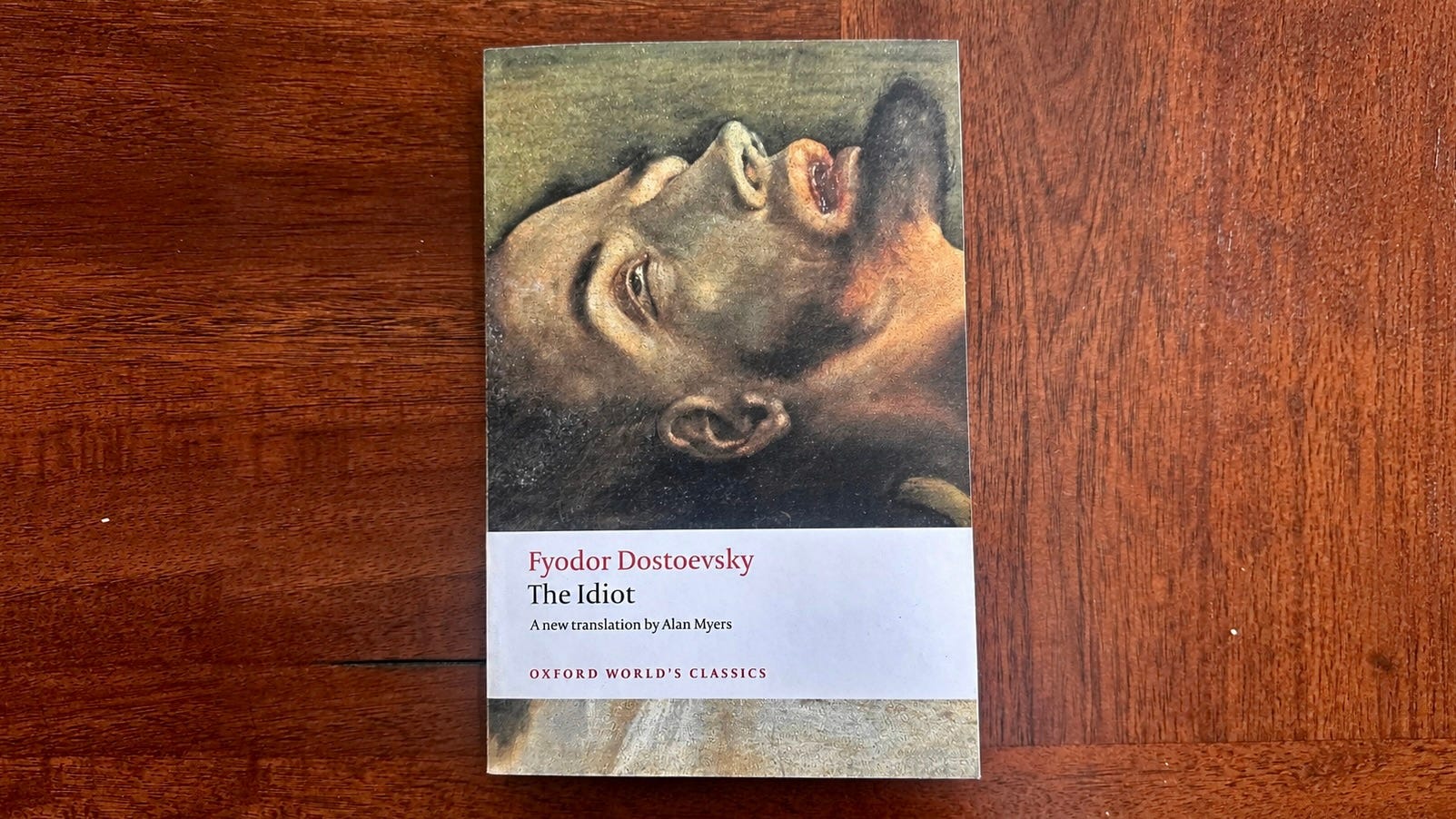
Recall that our last session ended in the wake of Ippolit’s “Necessary Explanation,” where the consumptive boy on his deathbed condemns the universe for his illness and demise. He acts as the negative foil to Myshkin — whereas the Prince’s illness helped nurture his love for mankind, Ippolit’s illness only hardened his heart, as he now plans to commit suicide.
The contrast emphasizes the mystery of the human spirit. Both men have debilitating illnesses, and suffer much, and yet each has a drastically different decision in how their suffering will guide them; one towards love, the other towards hatred.
This leads us into Part 4, which follows all the threads we’ve been tracing — Myshkin’s mercy, Nastasya’s vengeance, Rogozhin’s wrath, and Aglaya’s pride — and brings the narrative to a point of crisis.
Specifically, each character faces the heart of their condition, and their greatest vice, which happens to be a disordered love. Nastasya must give up her vengeance, Rogozhin his wrath. Myshkin must sacrifice his idealistic adoration of Nastasya, Rogozhin, and perhaps mankind in totality. He must learn to account for the existence of evil in the human heart.
If these characters succeed, they have a genuine hope for redemption. If they fail, the potential for ruin, debauchery, and bloodshed may linger around the corner.
The final question, ironically, is not whether Myshkin the “Christ-like” character can save his fellow man, but rather, can he rescue his own innocence and beauty from the corresponding vice and depravity of the world around him?
Stated differently, can true Christian charity survive a godless modern world?
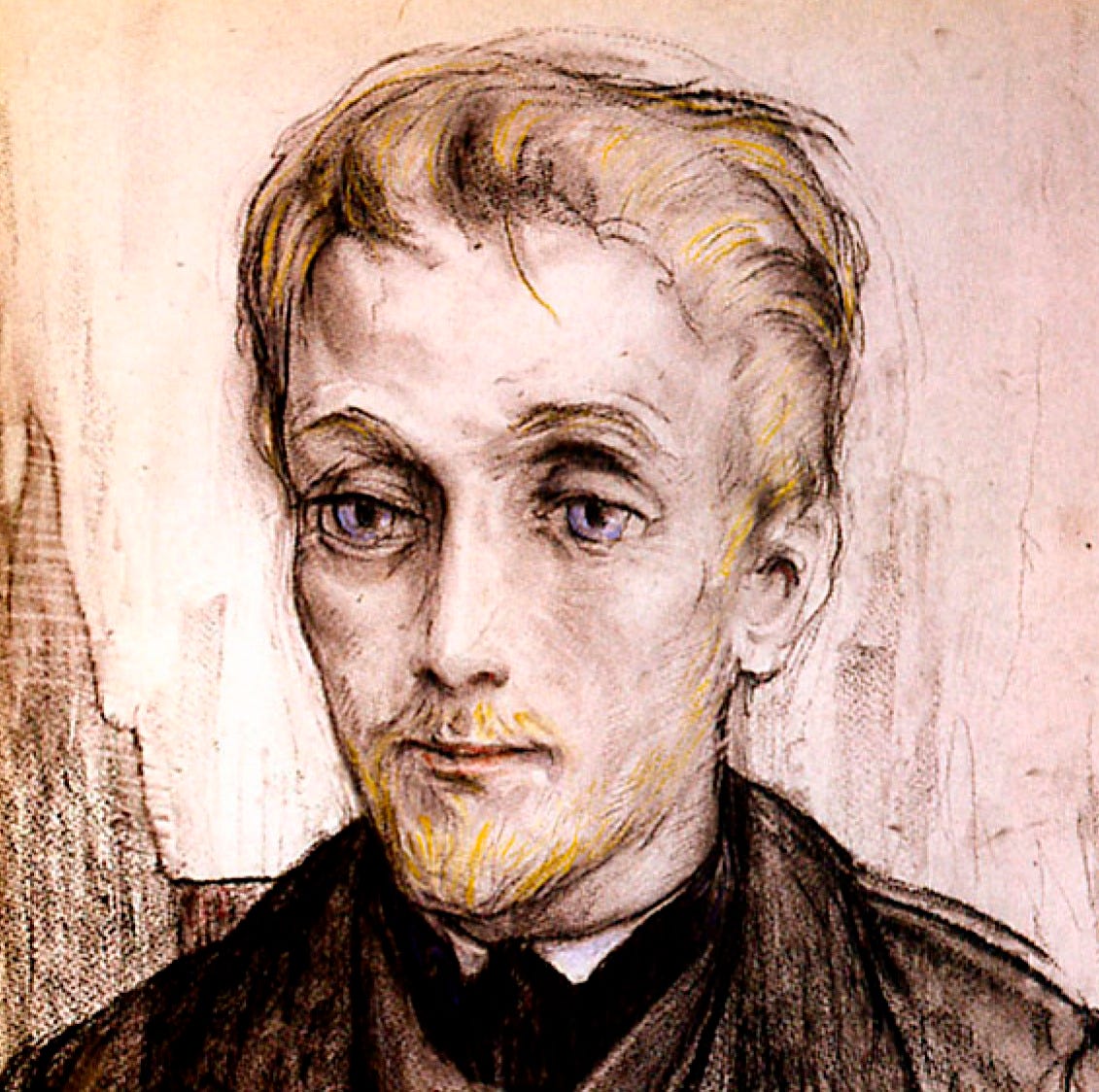
Below are some key questions to consider:
Ponder Ippolit’s hatred of Myshkin. Why does he hate an otherwise kind and innocent man? What specifically does Ippolit demand, or desire, from Myshkin?
Further consider why Myshkin’s inability to judge the evils in man constitutes an imperfect love. What is wrong with his blind acceptance and affirmation of his fellow man, despite their evils?
Why is Aglaya’s love for Myshkin so volatile? What does she demand from him, and is it a noble demand? Why or why not?
Where do we see Rogozhin struggle against himself, and what does that struggle reveal about him compared to Myshkin and Nastasya?
Ponder Nastasya’s temperament - how is her vengeance a risk to her own well-being? How can her vengeance lead to self-destruction, and what does her path of redemption look like?
Does Dostoevsky present Myshkin’s Christ-like innocence as an ideal, a warning, or a more ambiguous middle ground?
Share your thoughts in the subscriber chat, along with any questions you have — we will incorporate them into Wednesday’s discussion!