



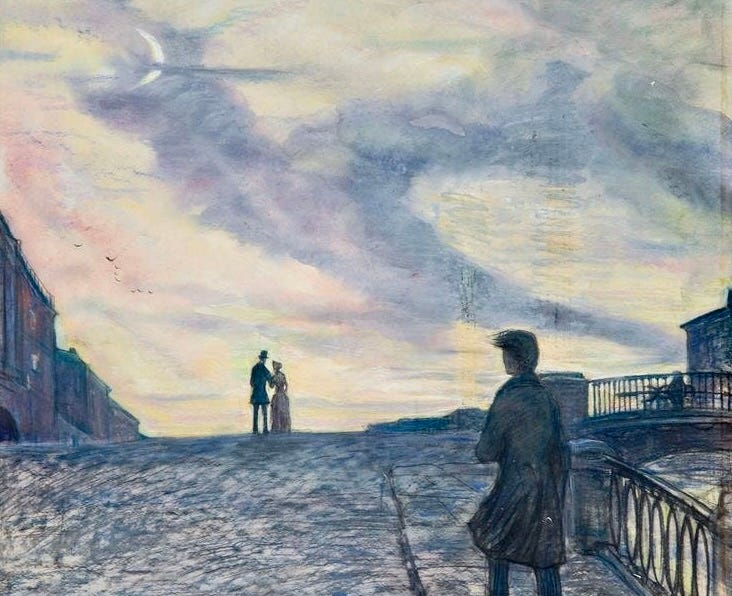
Alienation is one of our society’s most pressing issues. Scores of men and women alike, despite being immersed in “social” media, feel cut off from others and unable to connect. As a result, they often turn to the very things which further their alienation, spending increasing amounts of time on their phones, watching Netflix, or preferring to stay by themselves rather than risk the dangers of a bad social outing.
But for as “modern” as this crisis may seem, it’s nothing new. Nearly 200 years ago, the Russian author Fyodor Dostoevsky penned his short story White Nights, in which he outlines the dangers of alienation.
His surprising revelation? It all starts with the imagination.
Today, we explore Dostoevsky’s warning about the dangers of dreaming, or simply getting stuck in your own head. We’ll look at what he describes as the “dark side” of imagination, and how he suggests you nurture yours so that it leads you to the good and beautiful, instead of spinning into despair…
Reminder: this is a teaser of our paid subscriber essays.
If you’d like to support our work, please consider a subscription. You’ll get:
New, full-length articles 2x per week
The entire archive (200+ articles, essays, and podcasts)
A Damsel in Distress
White Nights begins in the city of Saint Petersburg, where the unnamed male narrator saves a young woman from being harassed by a man along a canal. The girl, Nastenka, expresses her gratitude to the narrator by allowing him to walk her home.
As they walk along the streets of Saint Petersburg, the narrator expresses his shock at getting to experience such a moment, for he is isolated and lonely and never gets to talk to girls. Nastenka says that she, too, is lonely, and agrees to meet the narrator again, granted that talking does not lead to romance.
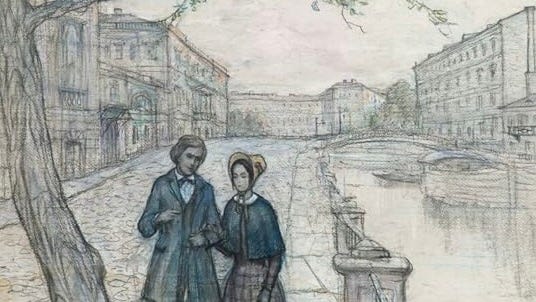
Over the following three meetings, the two characters share their life stories with each other. The narrator describes himself as a dreamer while detailing his loneliness and longing for companionship. Nastenka, for her part, recounts that the man who promised to marry her hasn’t written to her for a year, but that she continues to love him and holds out hope for his reappearance.
At every encounter, Nastenka reiterates that her relationship with the narrator must remain platonic, yet the narrator falls ever more in love with her. Finally, on the fourth and final evening, he confesses his love and Nastenka, despairing over the absence of her own beloved, breaks down and says that perhaps she could one day come to love the narrator. But then, as the pair descend upon the streets of Saint Petersburg once more, her man arrives, and Nastenka “tore herself out of my arm and rushed to meet him”.
The narrator is left alone, his hopes of romance crushed before his very eyes…
The Dangers of Dreaming
Though the above summary may paint Nastenka in a rather unflattering light, Dostoevsky makes it clear that she is not the real cause of the narrator’s sufferings. Rather, it is his own imagination that leads him to alienation, and ultimately to despair.
At first glance, it is a strange critique to come from a man like Dostoevsky, a man whose artistic imagination fueled the creation of novels like Crime & Punishment and The Brothers Karamazov. But perhaps that makes it all the more worth considering, for the man who used his imagination the most understood both its benefits and pitfalls.
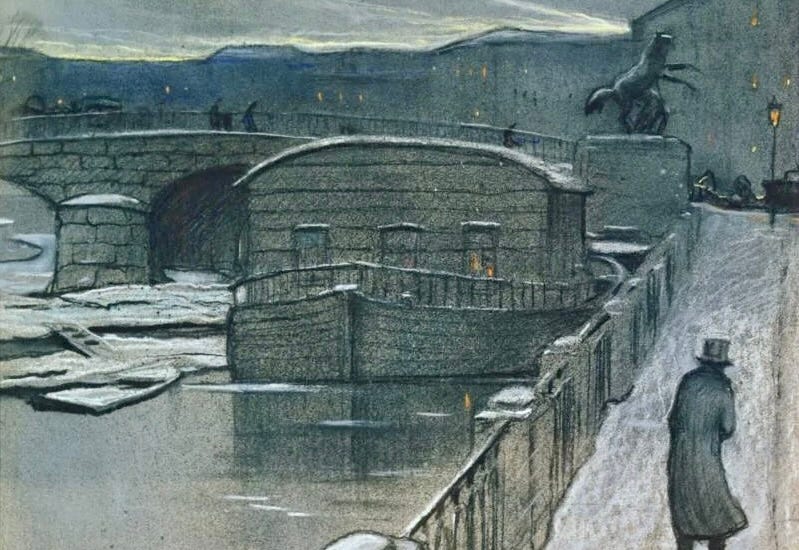
As the narrator of White Nights recounts his tale, he frequently refers to himself in third person as the “hero”. We learn that the reality of his life is dreary, and thus he spends his time dreaming, casting himself as the protagonist of make-believe adventures. When he first meets Nastenka, for example, he alludes to the fact that he has been in love on numerous occasions. When she asks with whom, he openly admits:
Why, with no one, with an ideal, with the one I dream of in my sleep. I make up regular romances in my dreams.
As the story proceeds, it becomes increasingly clear that the narrator’s imagined futures are the primary cause of his disappointment and alienation. Rather than inspiring him to something greater, they simply set up false expectations. His imaginings are so vivid they blind him from seeing the truth of reality, even when it is made plain before him.
For this reason, the narrator simply cannot bring himself to take Nastenka at her word when she insists that they cannot be more than friends. Because he has so frequently conceived of himself as the hero, he has constructed a narrative in which he always “wins” in the end. All he thinks he has to do is bide his time and be patient, and Nastenka’s weakened resolve on their fourth evening together seems to confirm his belief.
But then, when reality finally hits, it hits with such a force that it renders recovery near impossible. The narrator can hardly continue on with life, and all he has in place of hope are tears.
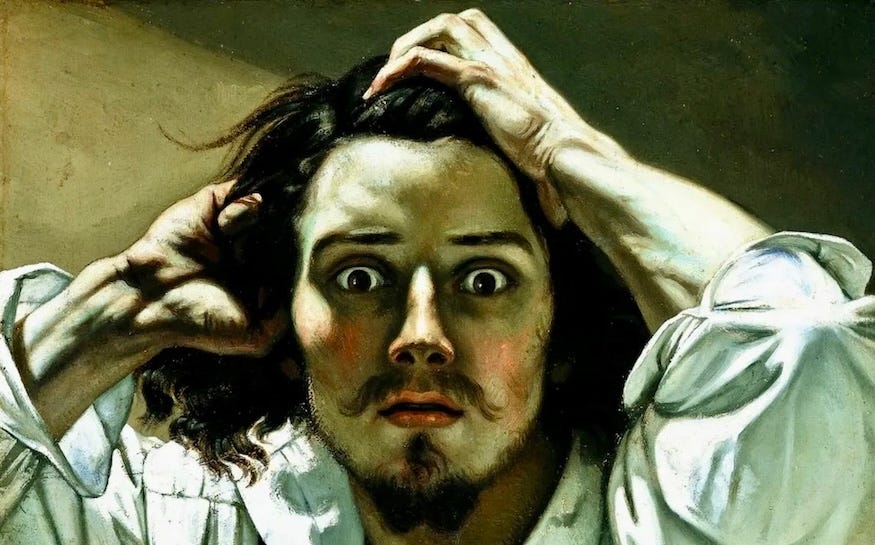
White Nights, then, is primarily a cautionary tale about the dangers of dreaming and getting stuck inside your own head. But if you look closely, you can also spot Dostoevsky’s proposed fix.
How do you nurture your imagination so it leads you to truth and beauty, and not despair? Dostoevsky provides the answer…