

I didn’t grow up around classical music. That’s not to say I wasn’t exposed to it; just that I never spent much time with it apart from the occasional school recital or symphony in the park. In my adolescence and teenage years, any taste I had for classical music quickly gave way to rock and roll, and Beethoven yielded to the Beatles.
But now, things couldn’t be more different. Classical music makes up the majority of my listening, and — although it might sound hyperbolic — has completely transformed my life for the better. So, what changed?
Today, I want to share the story of how classical music redefined my perspective and altered my course in life, and how it might transform yours as well…
We are 100% reader-supported. This newsletter is free, but if you’re able to support, please consider a paid membership — it helps us enormously. You’ll get:
Full-length articles 2x per week
The entire archive of content (200+ articles, essays, and podcasts)
Learning How to Listen
My first serious foray into classical music came not long after university. My burgeoning interest in the “Great Books” canon quickly bled out into other fields of study, as I came to realize they were all intertwined. Art, music, and literature all existed in dialogue with one another, and I understood that in order to fully grasp the one, you had to engage with the others as well.
Classical music, however, resists casual learning. Although some pieces have mainstream appeal, most works aren’t immediately accessible. What I quickly learned is that it isn’t enough to just listen to classical music — you have to learn to listen to it. Classical demands a higher level of attention and patience, as well as a baseline understanding of different musical forms.
To be clear, this doesn’t mean you have to study musical theory before listening to a piano concerto. Just as you can pick up how a language works by being immersed in it, you can do the same by listening extensively to classical music. But at the same time, having basic knowledge of the grammar certainly speeds you along in your progress!
So it was that I sought out resources — YouTube videos, podcasts, and even a free Yale University course — to help me in my listening. But at this point, my interest in classical music still remained on the level of intellectual curiosity. Like one intrigued by theology before he is convicted by true faith, so I remained at a relatively surface level in my experience with classical.
But the next stage of my journey would change all of that…
Connecting the Head to the Heart
“When a man is tired of London, he is tired of life.”
-Dr. Samuel Johnson
When I moved to London, I suddenly found myself with unrivaled access to everything I had studied for so long. There were performances of Shakespeare, classical concerts, and art galleries galore: I was like a child in a candy store.
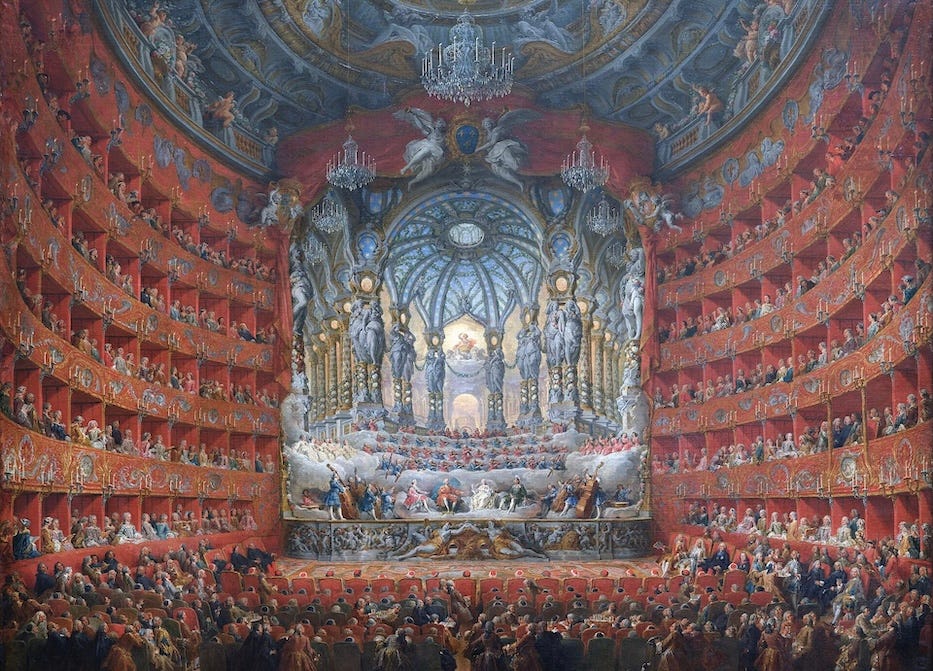
My financial discipline was not too unlike that of a child, either. I poured the entirety of my paycheck into attending the opera, ballet, and symphony, subsidizing the glamour of the opera house with a diet of canned beans and Tesco meal deals. It was the best of times, it was the worst of times — and certainly the most formative of times as well.
By attending three to four performances a week, I got in the “reps” required to grow. I started picking up on patterns and making connections between seemingly unrelated art forms as well. Opera was especially helpful with the latter, as clever stage directions linked part of Verdi’s Rigoletto to a scene in Shakespeare’s King Lear, or the execution in Puccini’s Tosca with Goya’s The Third of May 1808.
But most importantly, opera helped connect the head to the heart. What had previously been an intellectual curiosity of mine now found fertile ground in the soil of the soul. Through the storytelling of opera, I got to see how music, at its core, is about narrating the drama of our own lives. It doesn’t simply accompany us on our journey, but shows us what that journey is.
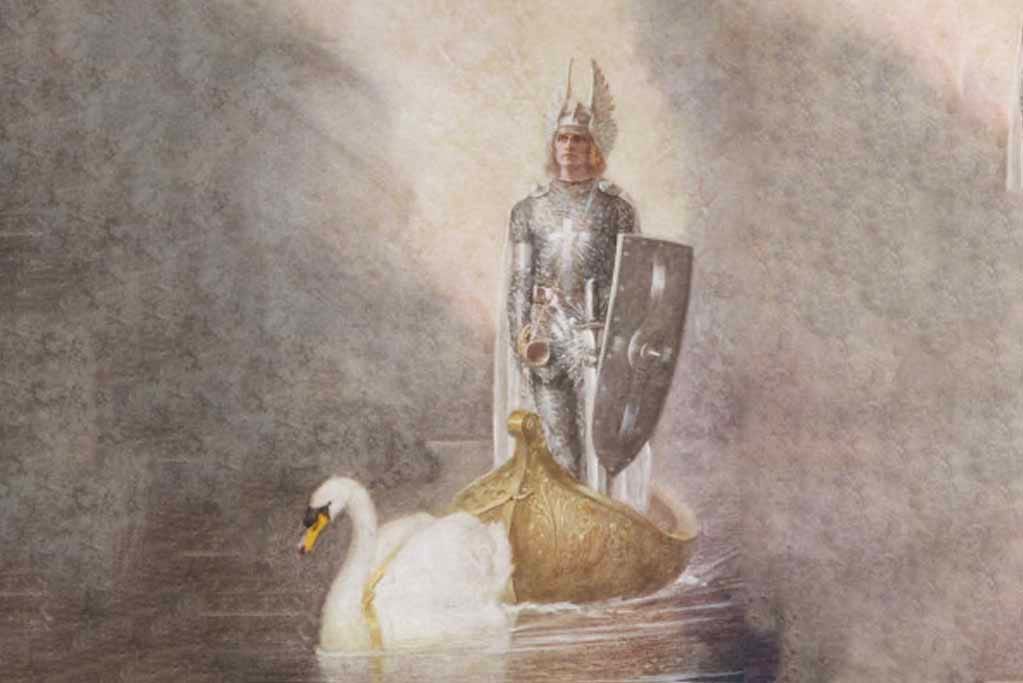
One of the best examples of this is found in the prelude of Wagner’s opera Lohengrin. As the timid whispers of strings slowly give way first to hope, then to joy, and finally to exaltation at the descent of the Holy Grail, the thoughtful listener can’t help but recognize these same themes of the great human drama in his own life. This brief musical glimpse into the heavenly realm is then followed by an intense, borderline painful, yearning to return to the glory of the divine, as the Grail ascends back into Heaven.
In other words, the music resembles our own longing for beauty and eternity. It is a longing which the mind can grasp in theory, but only the heart can ever truly know in full.
A Lasting Change
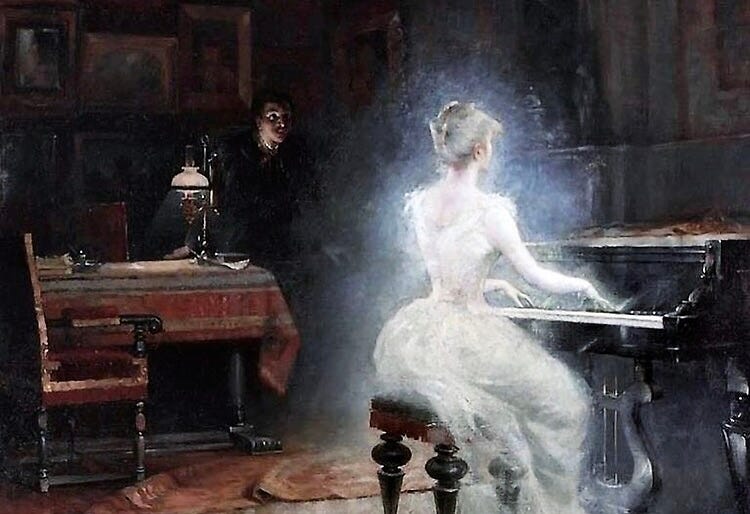
While I still enjoy contemporary music, I don’t enjoy it in quite the same way as I did before. My exposure to classical changed how I listened to music, yes, but it also reshaped my tastes and how I experience art.
Many people, for example, think that classical music makes great background music, when indeed it is the opposite. Contemporary music, with its 4/4 time signature and easy-to-follow rhythms, is great in the background — classical, on the other hand, demands your attention. The highs and lows of its dynamic range pull you in and then blow you back, recurring motifs reveal how ideas can evolve and express themselves in different contexts, and separate movements demand you follow the story from its inciting incident to its climax and denouement.
All of this demands patience, attention, and an openness to see how the work points beyond itself to something more transcendent. Because of this, classical music helped me train the muscles required to engage meaningfully with all art, from painting to architecture, literature, and more. I am confident it can do the same for you.
Thank you for reading!!
P.S. If you’ve been thinking about joining our book club group, now is a really great time to do it — we are about to vote on the next book inside the community chat (first meeting on May 6th).
If you have any questions about how the book club works, check out this FAQs page.

A wonderful piece.
Classical music was the gateway to the divine for me. I am a woodwind eve though I haven't played with a group since young adolescence. Without those very formative years spent appreciating sound, I don't know if I'd have ever reached symbolic literacy.