

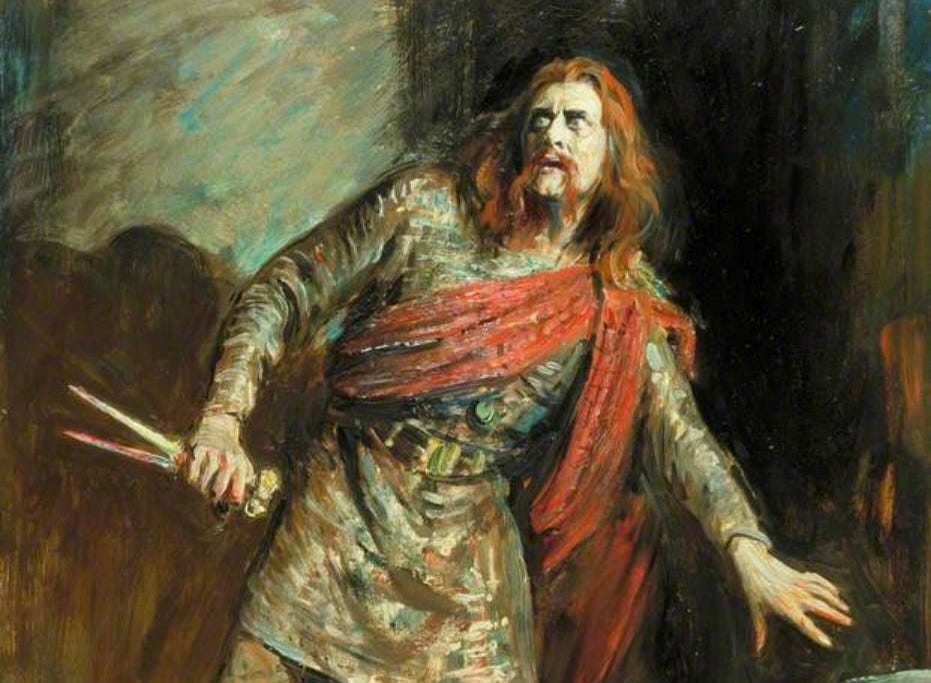
How do you know you’re not evil?
What seems like a silly question at first quickly becomes difficult to answer conclusively. “But I would never hurt anyone”, you say. That’s good, of course — but is it enough?
To Shakespeare, the answer is “no”, and the reason is simple. In his play Macbeth, the Bard puts forward the thesis that evil isn’t measured by body count. It doesn’t matter if you’re in the position to murder a king and take his throne. Every man has the potential to be the Macbeth of his own world.
Today, we look at the nature of evil as portrayed in Macbeth, and specifically how good men are drawn towards the path of darkness.
Unsettlingly, Shakespeare reveals that we’re all much closer to evil than we’d like to admit. But fortunately, he also reveals the key to ensuring you don’t get seduced by it…
Reminder: this is a teaser of our paid subscriber essays.
If you’d like to support our work, please consider a subscription. You’ll get:
New, full-length articles 2x per week
The entire archive (200+ articles, essays, and podcasts)
“New Sorrows Strike Heaven”
On the surface, the plot of Macbeth is relatively simple: a couple learns that they may become royalty, and murder several people to ensure that they get and keep the throne.
But of course, there’s a little more to it than that.
At the beginning of the play, General Macbeth returns from a great battle alongside another general, Banquo. They come across a trio of witches who deliver a prophecy to Macbeth, saying he’ll become the king of Scotland.
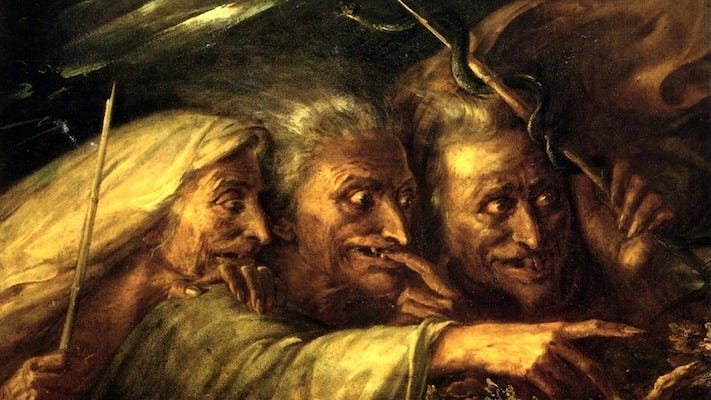
Macbeth is skeptical, but his wife, Lady Macbeth, is not. She insists that Macbeth murder the current king, Duncan, to fulfill the prophecy. Although Macbeth is initially hesitant, he eventually agrees. He murders Duncan and assumes the role of King of Scotland shortly afterwards.
Once king, Macbeth becomes increasingly paranoid about others usurping his rule. He descends into tyranny, killing anyone who opposes him. He even murders his friend Banquo because he thinks he might one day pose a threat.
There is a lot of death in this play. At least seven characters are murdered, and even more people die offstage. This is underscored when the general Macduff seeks out the throne’s legitimate heir, Malcolm, to discuss overthrowing Macbeth.
Outlining the current state of Scotland, Macduff informs Malcolm that:
each new morn,
New widows howl, new
orphans cry, new sorrows
Strike heaven in the face.
Macbeth does not just kill a few people to get his way. He embarks on a totalitarian terrorist regime in his quest for power. People die each day. Children wake every morning to find themselves orphaned. Women lose their husbands regularly. Macbeth’s thirst for power results in the death of untold numbers of people.
But if you focus only on that, you’ll miss the point…
A Hero’s Fall
If you’re like most people, your experience with Macbeth is tainted. You know the title character becomes evil, so you’re tempted to view him as such from the beginning.
But this is a huge mistake, because it completely misses the point Shakespeare goes to lengths to spell out at the start of the play: Macbeth was a good man.

To examine why, let’s turn to the famous “weird sisters” Macbeth and Banquo encounter in the woods. When Macbeth first hears their prophecy, he’s shocked and surprised. For a very fleeting moment, the idea of speeding up his coronation by murdering the king flashes through his mind.
However, he’s shocked by his own thought, and immediately refutes and resists it:
If good, why do I yield to that suggestion,
Whose horrid image doth unfix my hair
And make my seated heart knock at my ribs
Against the use of nature? Present fears
Are less than horrible imaginings.
He concludes by affirming:
If chance will have me king, why chance may crown me
Without my stir.
In this regard, Macbeth is like all of us. He experiences a fleeting dark thought that scares him with its insinuations. Yet he recognizes it as evil, refuses to act on it, and keeps moving forward with his life.
So what is it, then, that eventually makes Macbeth turn from a hero to a villain?
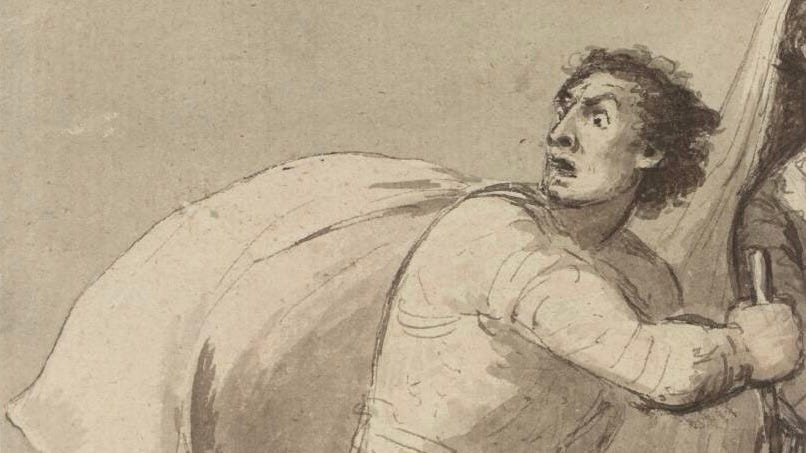
One of the two main factors is the outside influence he faces. Once Macbeth arrives home, he finds his wife is super eager for the throne. She challenges Macbeth’s manhood and persuades him to commit murder. Initially, he refuses:
I dare do all that may become a man;
Who dares do more is none.
However, he doesn’t resist for long. Lady Macbeth amps up the pressure, attacks his masculinity, and calls him a coward. Afraid to look weak, Macbeth eventually succumbs to his wife’s persuasion.
To chalk it all up to the influence of his wife, however, would be unjust. Macbeth is still his own person, and for however strong the external pressure might have been, Macbeth still could have said no. In the end, the decision to commit murder falls on him and him alone.
So what’s the real reason that Macbeth turns evil? According to Shakespeare, it’s because of a human proclivity that lurks inside all of us. This form of evil is the most terrifying, because it is the hardest to see and the hardest to stop.
Shakespeare offers one solution to avoid being seduced by it — but it is by no means easy…