



What is freedom?
Most people think freedom is about choice: the more choices you have, the more free you are. True freedom means being able to do whatever you want, whenever you want — and anything that limits your choice is a form of tyranny.
But Aleksandr Solzhenitsyn, a world-famous defector from the Soviet Union, thought this idea was totally wrong. Even though he had suffered in the Soviet gulags and found political liberty in America, he thought that the American idea of freedom was mistaken, and that it would one day lead to ruin.
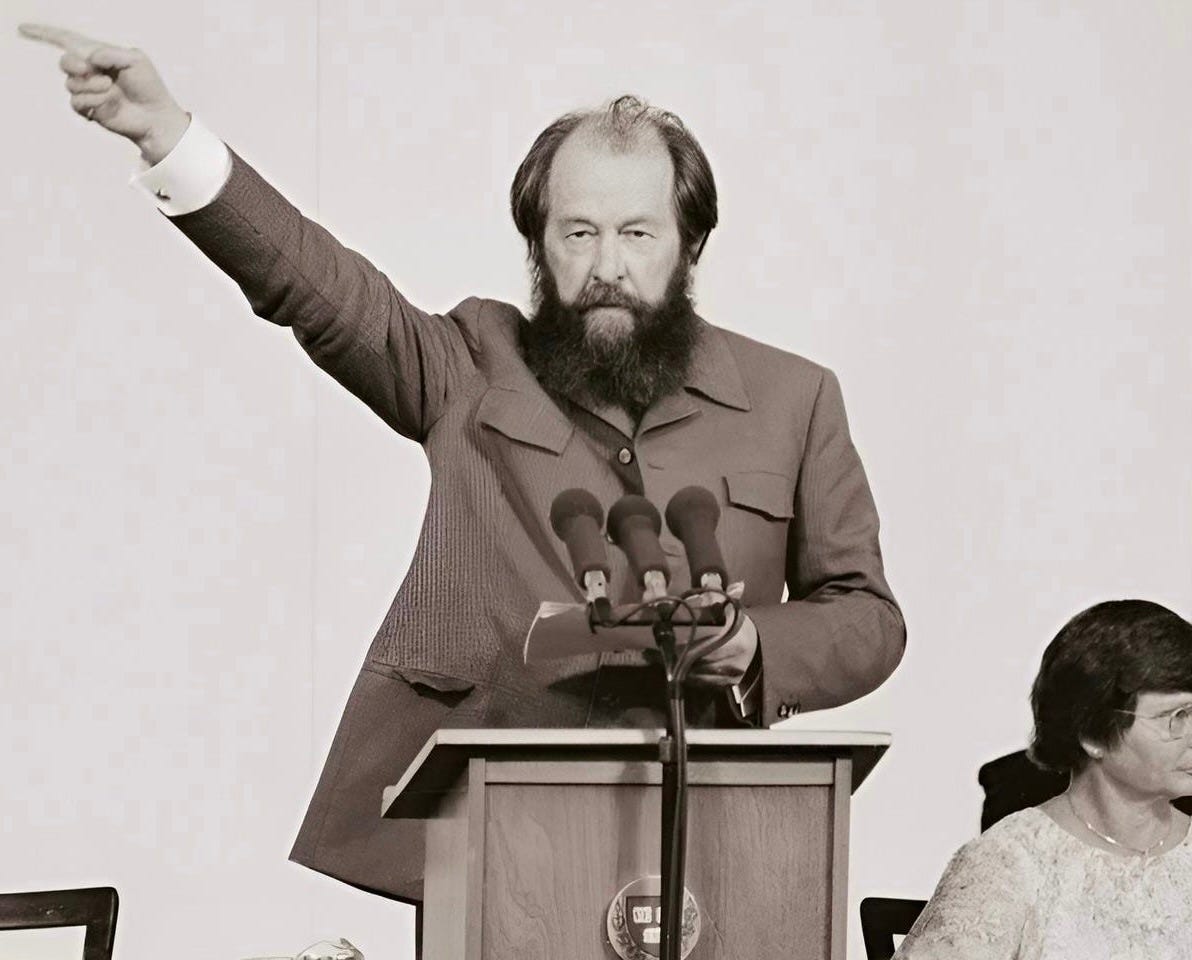
That’s why at a Harvard graduation ceremony in 1978, Solzhernitsyn taught that true freedom is something completely different. Speaking to 20,000 people, he explained why true liberty means knowing what and how to choose, and that it naturally conforms your soul to the good, true, and beautiful.
It’s a radical idea, but it might well change your life. Today, we explore the difference between modern and ancient conceptions of freedom, and Aleksandr Solzhenitsyn’s famous warning to America…
We are 100% reader-supported. This newsletter is free, but if you’re able to support, please consider a paid membership — it helps us enormously. You’ll get:
Full-length articles 2x per week
The entire archive of content (200+ articles, essays, and podcasts)
The Famous Warning
Aleksandr Solzhenitsyn was a Russian who had been convicted on trumped up charges under the Soviets, spent ten years in prison, and toiled in hard labor camps before fleeing the Soviet Union and coming to the United States. He had risen to fame in the West by shining a light on Soviet atrocities in his writings such as The Gulag Archipelago, a true account of those who endured the inhumanity of the Soviet labor camps.
Thus, as he stood before Harvard University, he was expected to lambast the Soviets and praise the West, especially the United States, in which he had found refuge.
Yet, Aleksandr took an unexpected turn.
While he certainly lamented the suffering of his homeland under the Soviets, he asked the question of whether he would recommend the West as a model for his home country…
His answer? “No.”
Shocking his audience, he explained that under the West, men and women had become fractured, atomized, and subject to a false freedom. He observed that this false sense of freedom had taught mankind that there was no “higher force” above him, and that man was an autonomous moral universe.
It was a type of freedom, Solzhenitsyn predicted, that would end in ruin.
Contrasting this false idea of freedom with a more ancient understanding, Solzhenitsyn pointed to the Christian tradition, which claims that true freedom brings internal liberty and all that is true, good, and beautiful.
Understanding the distinction between these two conflicting ideas of freedom, he maintained, is one of the most important spiritual lessons you can learn.
What Is True Freedom?
The modern understanding is that that freedom means a lack of restraint, a plurality of options for your self-creation. The more choices you have, the more freedom you have. You are the most free, therefore, when you have the most choices to pursue what you desire.
But notably, this modern notion of freedom is almost entirely removed from considerations of what is good or bad. Freedom is just about choice — what is good or bad is relative to each individual, and subject to choice.
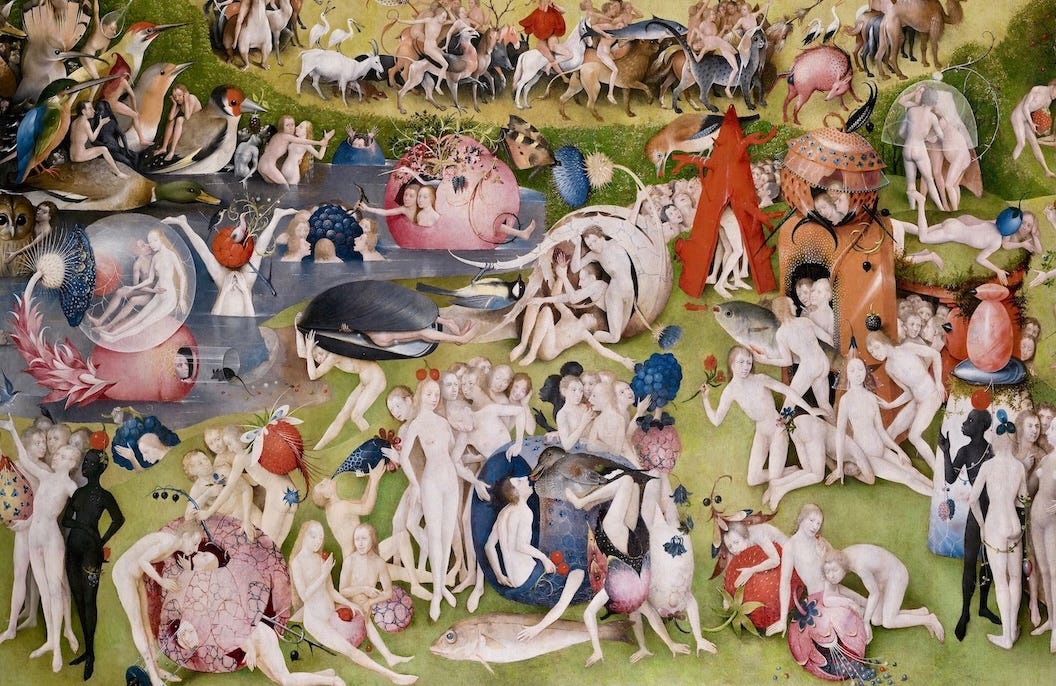
The Christian tradition, however, teaches that freedom is not about maximizing choice, but about choosing the good. Freedom is given to man by God to allow him to choose amongst a plurality of goods. In this understanding, using freedom to choose evil is a misuse, an abuse of the power of freedom.
That’s why historically, Christians — as well as the Romans and the Ancient Greeks — maintained that freedom is less about options, and more about self-discipline. True freedom means cultivating a self-governance that frees you from your inclination toward evil and disorder, and it is cultivated by practicing virtue.
This understanding of freedom is reflected in a term frequently used, and just as frequently misunderstood, in modern education: “liberal arts”. The liberal arts are called “liberal” not in the sense of “leftist,” but in the sense of “freeing”. The idea is that these liberal arts (the “arts of freedom”) are what give you an education that frees you from ignorance and the slavery of your passions so that you can pursue the true, the good, and the beautiful.
Modern vs. Ancient Freedom
This idea of freedom as a form of self-governance and self-control can easily be seen in the New Testament, where St. Paul contrasts the slavery of sin to the freedom found in Christ. The difference couldn’t be more clear: false “freedom” is a plurality of options to satiate desires, while true freedom conforms you to what is true, good, and beautiful.
A large part of the difference between the modern and the Christian view of freedom goes all the way back to the topic of creation. In the modernist view, you are the creator of your life and your purpose, whereas in the Christian view, you are made by a creator God. If you are the “creator” of your life, then it makes sense that more choices means more freedom, because you are more free to create what you want.
But if you believe that you are created by God, then true freedom isn’t simply freedom of choice, but whatever helps you best adhere to who you were created to be. In other words, you become most “yourself” when you conform to the characteristics of the God in whose image you’re made: a God of goodness, truth, and beauty.
In many ways, the struggle between these conflicting views of freedom is what defines many of the struggles in our world today.
Thank you for reading!
This is a piece that we recently published on our sister publication, The Ascent.
There, we are diving deeper into theology, mysticism, and ancient texts — please join us if that interests you! You’ll get one free article every Tuesday, and longer essays like this every Friday for paid readers…
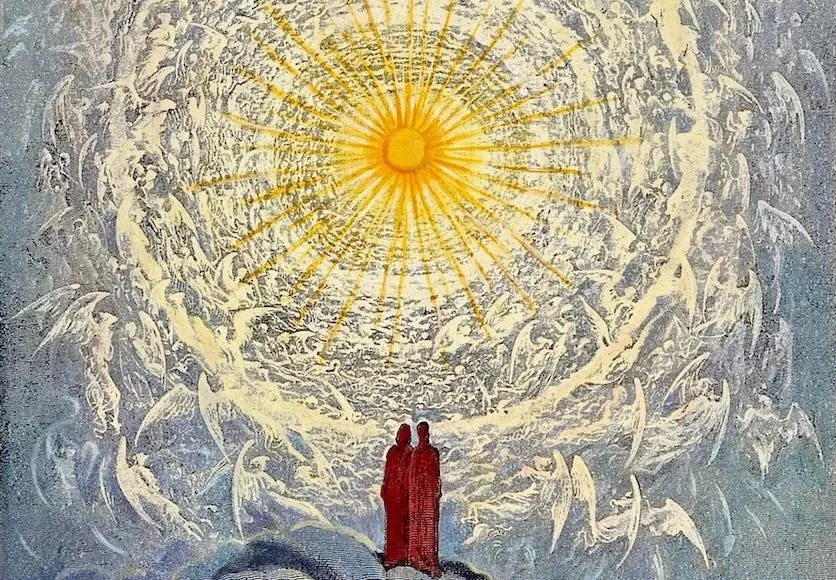
“The first and greatest victory is to conquer yourself; to be conquered by yourself is of all things most shameful and vile." — Plato
There is no freedom until we have freedom from the tyranny of our fleshly desires.
Your essay is sublime. Thank you for sharing it with us.