

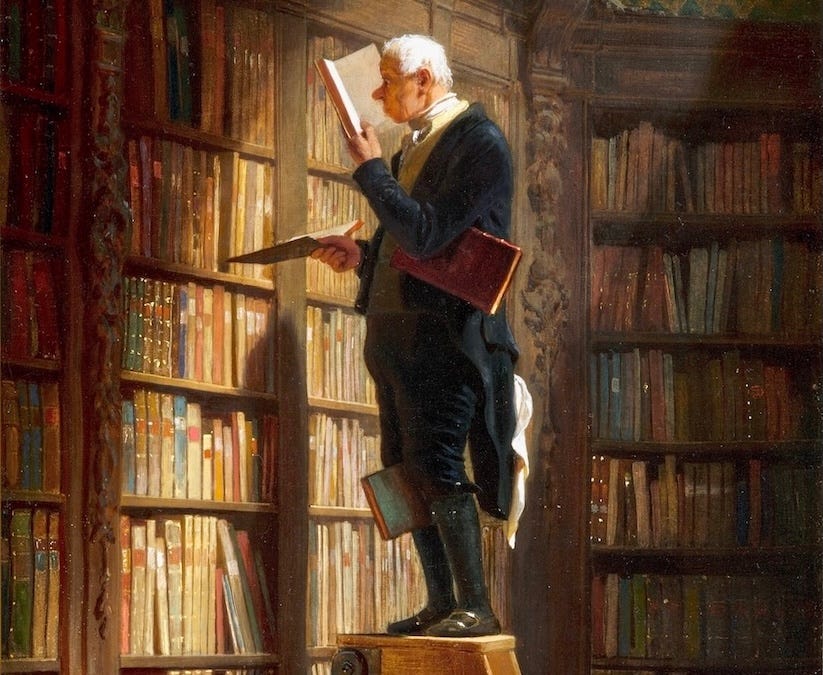
What does it mean to be well read?
Is it a matter of quantity, like how many classics you’ve been through? Or is it a matter of quality, like what you’ve gotten out of each one? What if it’s something else entirely?
Most people default to the assumption that being well read means having checked a great many books off your reading list. But that’s only the start of it. Because while quantity is indeed a prerequisite to being well read, it’s far from the defining feature.
Today, we look at different ideas about what being well read means, and offer an alternative approach to these misunderstandings. More importantly, however, we look back to see what past titans of literature considered “well read” to really mean — their thoughts, as we’ll see, might surprise you…
Our next book club read has been decided…
We will read A Tale of Two Cities by Dickens next!
Our first discussion is on November 4 — now is a fantastic time to join us.
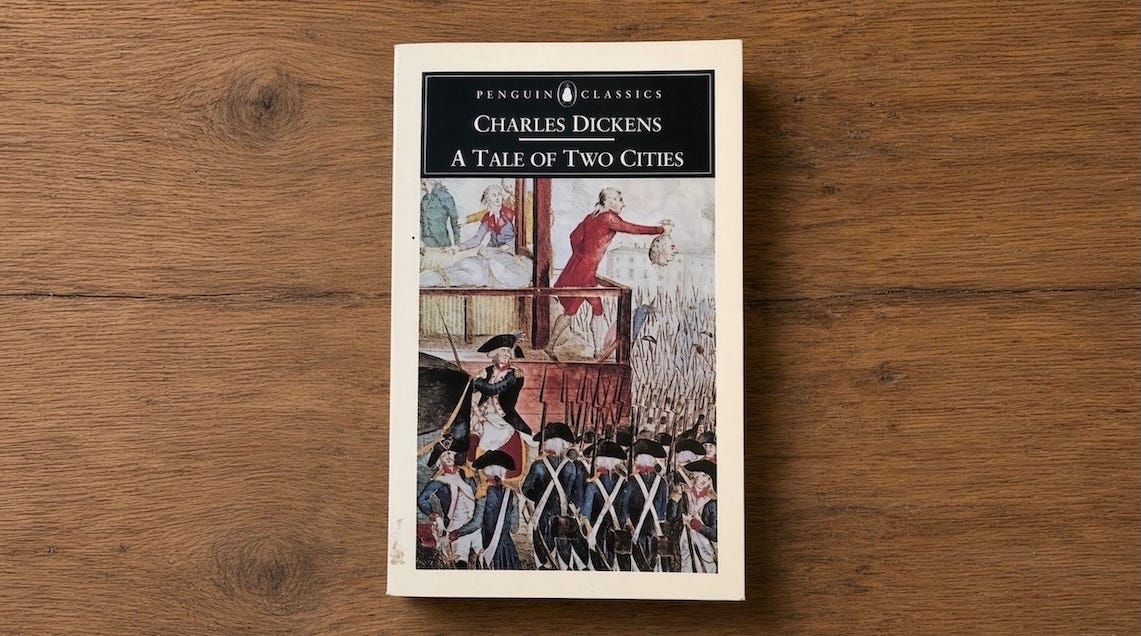
"It was the best of times, it was the worst of times, it was the age of wisdom, it was the age of foolishness, it was the epoch of belief, it was the epoch of incredulity, it was the season of Light, it was the season of Darkness, it was the spring of hope, it was the winter of despair, we had everything before us, we had nothing before us..."
Our news cycle is an endless procession of doom. There are a thousand reasons to despair. It feels as though our time is uniquely chaotic, that an old order is collapsing and what lies ahead is beyond control. But we have been here before.
Dickens takes us into the hysteria of the French Revolution and a society utterly consumed by vengeance. But he also shows how an act of self-sacrificial love can redeem it. Indeed, “Death may beget life”.
You must live now by refusing to be part of the cycle of decay. The counter to the mob is YOU, and the redemption of your own life. You are called to discover life even in the midst of terrible evil and death. The darkest times are the setting for the greatest acts of love.
This is one of the most powerful novels ever written. Please read it with us.
Become a member of our book club, and you’ll get:
New, full-length essays and articles every week
Biweekly book club discussions and reading guides
Access to our incredible community of readers
The entire archive (200+ articles, essays, and podcasts)
How NOT to Be Well Read
We’ll begin by looking at the negatives, and what not to do. First on the docket: book lists.
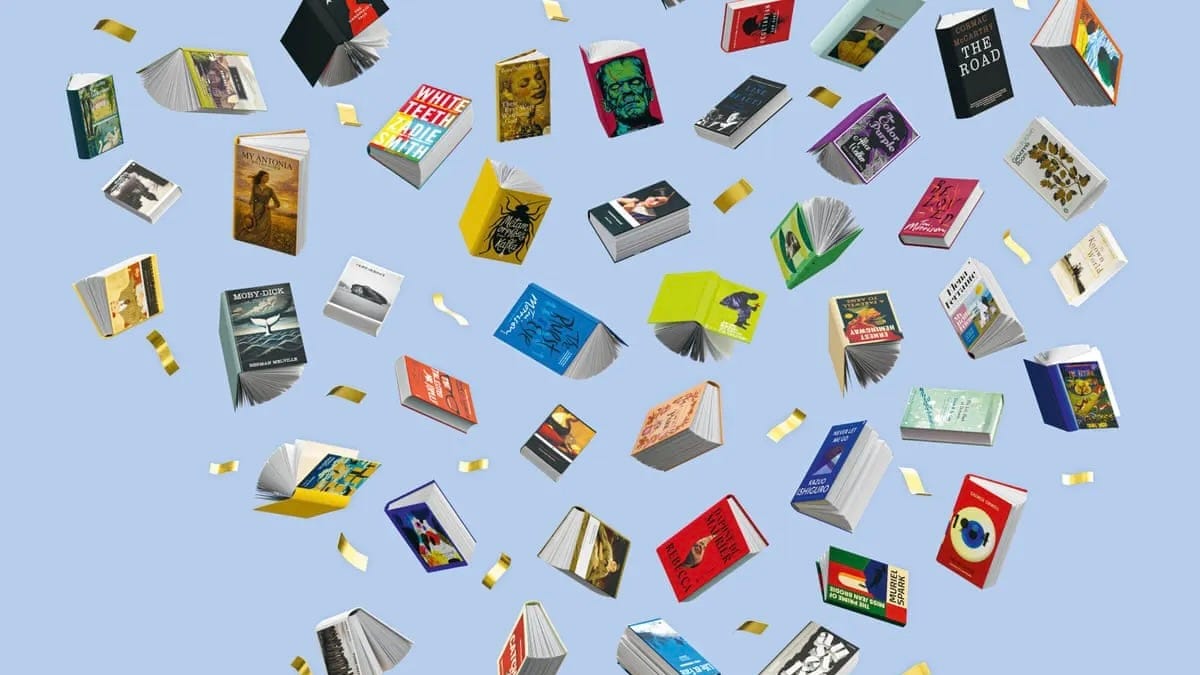
You’ve probably seen these before: lists like “The 100 greatest books of all time” or “20 classics you should read before you die.” On the surface, there’s nothing inherently wrong with these lists. In many regards, they can be quite useful for introducing you to books you might not otherwise encounter.
But once you start treating them as checklists, that’s when it becomes a problem. This is because at its core, being well read is about far more than simply working your way through the right titles. It doesn’t even matter if they are considered “great books”. Why? Because the fact that a book is considered “great” doesn’t mean it’s good, much less true.
Aristotle, St. Thomas Aquinas, Thomas Hobbes, Karl Marx, and Friedrich Nietzsche all appear on various lists of essential reading. All of these men, however, disagree profoundly about some of the most fundamental questions of human existence. What is human nature? What makes a society just? Does God exist? What is the purpose of life?
To be clear, this doesn’t mean that you should never read authors you disagree with. But it does reveal one of the main dangers of treating the classics as a list of important books to get through: you might simply become a well read relativist.
Every great book — and indeed, every author — makes a claim about the nature of reality, whether you know it or not. Although one benefit of reading broadly is engaging with these different views, it is not the supreme one. A much higher goal of reading is to grow in mind, heart and soul to become a better person. But a book can’t make you better if it is not actually true.
“True” in this case doesn’t mean literally true, for that would rule out all of fiction, which is in many ways more true than dry and soulless non-fiction. A book is “true” if it accurately reflects the nature of the world and reality, in turn helping you see life for what it really is and what it really means. Mere knowledge of the world’s most famous thinkers and their opinions doesn’t do that for you. An understanding of where they were right and where they went wrong, however, does.
So, having established what well read isn’t, we must now ask the question: what is it?
How to Be Well Read
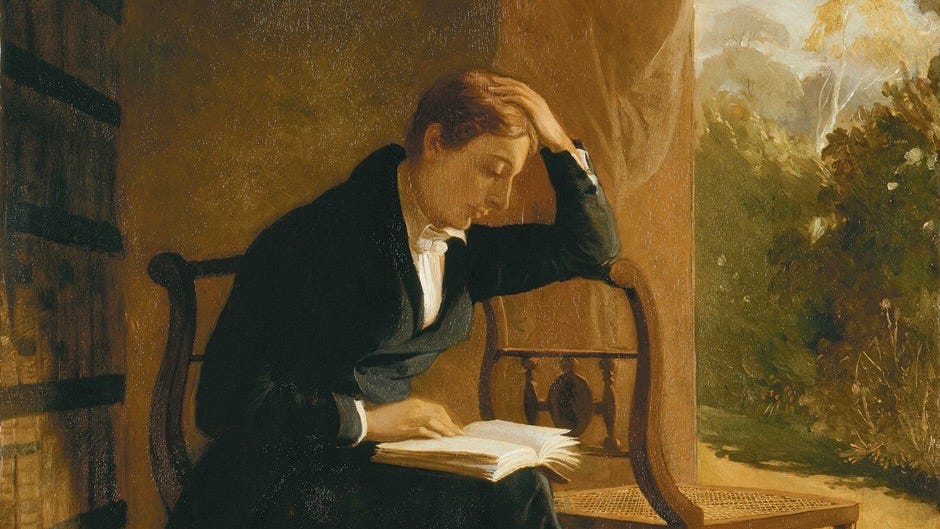
A better way to think about being well read is to shift the focus from the sheer number of books you finished to how well you understand the relationships between them. How well can you connect the ideas they contain, and the intellectual traditions from which they emerged?
This reframing shifts you from the abstract world of ideas to one of dynamic engagement with what you’re reading. When you begin to trace how different ideas evolved and influenced one another — and then expressed themselves in novels or treatises — you gain an understanding not just of the work in front of you, but of how it fits into the larger story of your culture.
One of the best ways to do this is to follow the intellectual influences behind the books you read. Start with each one’s bibliography. Study your favorite authors, and find out who their favorite writers were. Keep following the chain backwards, and find out which works influenced their influences. Now, with only a general overview of dates, you have a mental timeline of how an intellectual tradition organically developed.
For one practical example, take The Lord of the Rings. To get more out of this masterpiece, you must inevitably turn to the life of its author. Trace the thread of his interests for long enough, and you’ll encounter Beowulf, Sir Gawain and the Green Knight, Norse mythology, and the great traditions of medieval literature. Once you turn to Tolkien’s friend C.S. Lewis, you’ll quickly be thrust into the world of classical philosophy, Christian theology, and the enchanted elements of the medieval world.
Before you know it, you’ve discovered an entire “family tree” of intellectual and literary ancestors behind a single book. When you inevitably read these works, you develop a broader, more comprehensive understanding of the subject matters you’re most interested in. Compare this with a typical “great books” listicle approach, which offers you a diverse collection of facts and opinions, but nothing to necessarily tie them together.
To be well-read, then, is not simply to have read a great many books, but to understand how they fit together, what they reveal about the world, and how they contribute to a deeper pursuit of truth. But this, of course, is just the beginning.
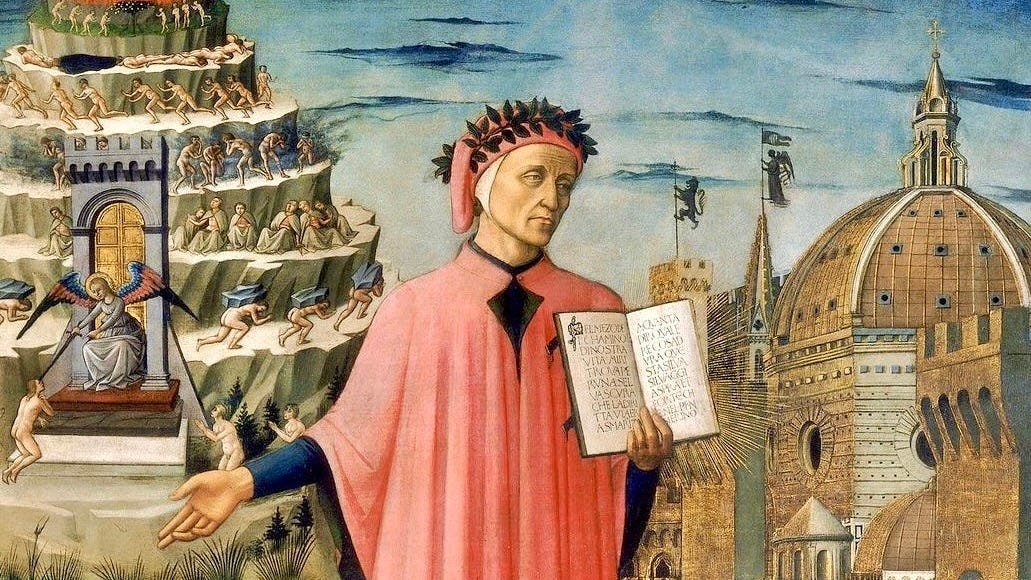
For someone like Dante, being well read goes so much deeper than being able to check the boxes on a list of great books, or even tracing the threads between them. Instead, his idea is that being well read consists far more of how you read than what you read.
And how do we know this? Because Dante wrote it down and told us himself.
According to Dante, there are multiple different “levels” to reading, and each mode of reading takes us further beneath the surface of a text and closer to its ultimate meaning…