



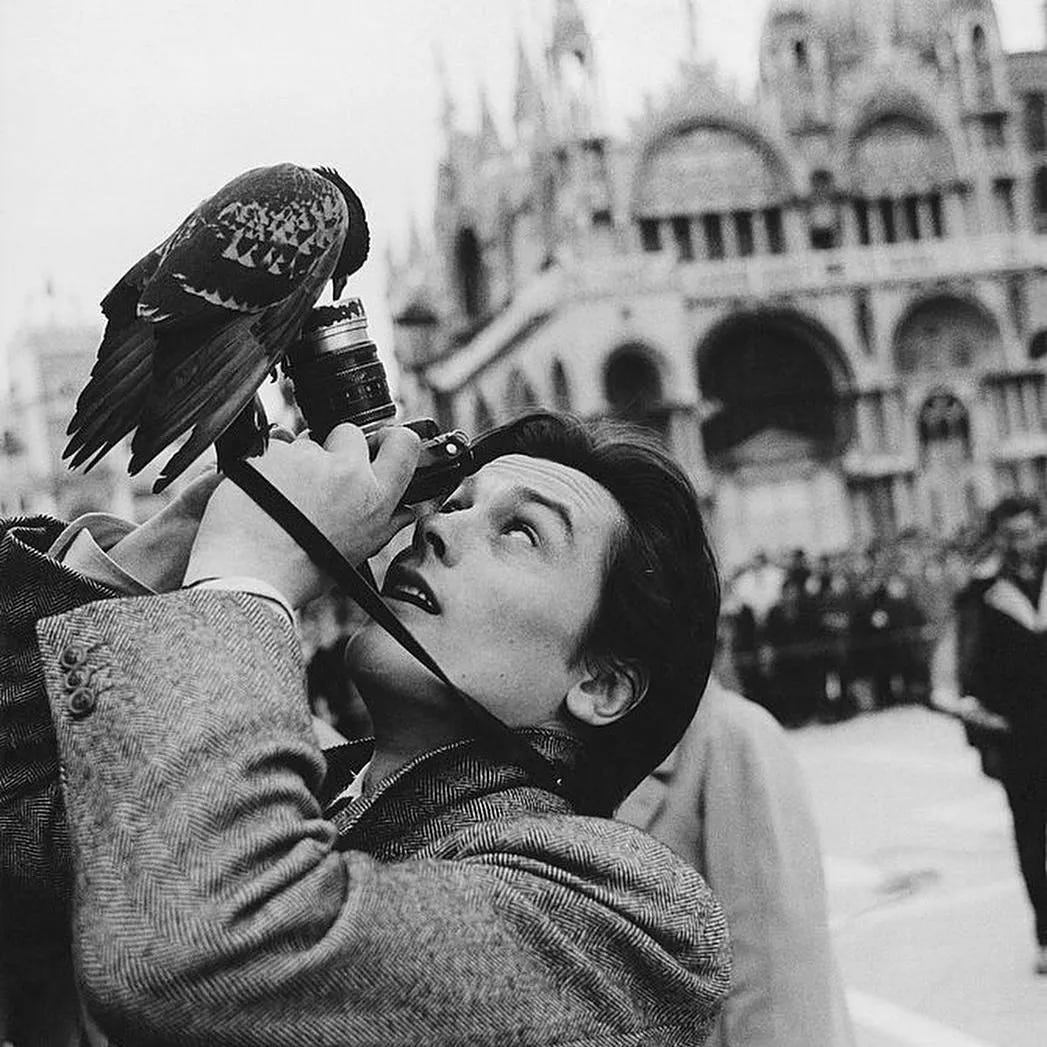
You must make of your life a work of art…True superiority is found in this.
-Gabriele d’Annunzio
Of all the advice I’ve received in my life, none has been so impactful as the following:
Live your life as art.
At first, it sounds compelling. But the more you dwell on it, the more abstract it becomes. What does it mean to live life as art? Does that not entail a certain degree of selfishness? Decadence? Detachment from reality?
Not so. In fact, quite the opposite. When conceived of properly, living life as art makes you more grounded in reality, not less. It makes you more rooted, more loving, and more charitable to those around you.
Today, I want to share what it means to live your life as art, and practical tips for how to begin doing so. Because, in the words of Shakespeare, “All the world’s a stage, / And all the men and women merely players”.
To play your part well, therefore, you must understand that you are indeed a character in a grand performance…
Our next book club read is starting…
We’re about to begin Dostoevsky’s The Idiot. The first discussion is on September 23, at noon ET — join us!
We are 100% independent, funded only by our incredible community. Become a paid member and get:
New, full-length articles and essays 2x per week
The entire archive (200+ articles, essays, and podcasts)
Scripts, Scenes, and Storyboards
There is much confusion as to why you should live your life as art in the first place. Fundamentally, it is not something you do for others, but for yourself. At first glance, though, this seems to be at odds with Shakespeare’s “All the world’s a stage” — because isn’t the whole point of theatre to perform for the audience?
Yet just as method actors bring their characters to life by becoming as opposed to performing them, so too does living your life as art make your life a gift to others. It’s not about LARPing for the sake of your ego, but embracing an internal transformation that spills over into the real world. In other words, by doing it for yourself, it becomes something you do for others.
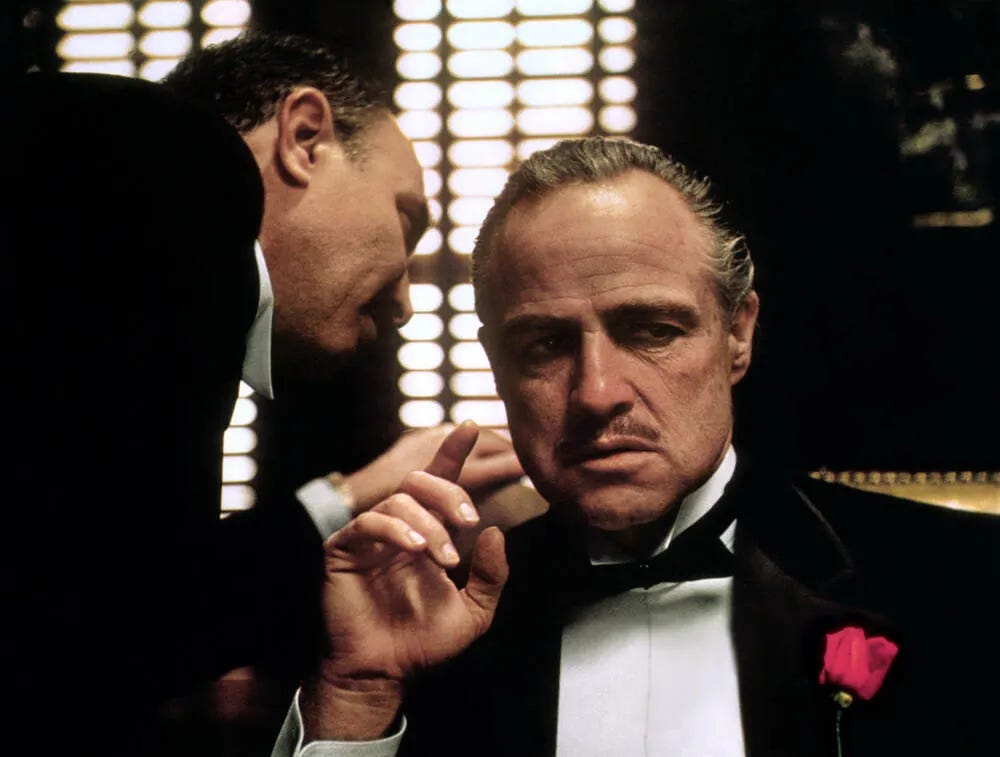
The biggest mistake people make, though, is to focus on the physical: on clothes, food, decor, etc. While these are important (and we will address them in the next section), they are completely insignificant if you do not first pay attention to the theory, or what I like to call the “scripts, scenes, and storyboards” of life.
Taken together, these elements compose the heart of who you are on the world’s stage. The script, for example, defines your character, the stakes, your voice, and your limits. It makes an actor ask: Who is this? What would they never do? What would they always do? Applied to your life, the script translates to your personal canon. It defines non-negotiable principles and moral red lines just as much as the virtues you are trying to embody.
The storyboard, on the other hand, is what helps you visualize scenes in advance, so as to prevent improvisation from going too far. Way too many people ruin their lives by acting as though they’re perpetually in the grand finale of their life’s drama. But what if it’s just Scene 1 of Act II? By conceiving of your life in “scenes”, and by recognizing that no one scene tells the full story, you can begin to look ahead to the rest of the storyboard to see how things play out down the line.
While it’s easy to critique the vanity and excess of those with “main character energy”, there’s actually incredible value in casting yourself as the protagonist in a larger story. Why? Because we hate to suffer, yet the stories we love most are full of it.
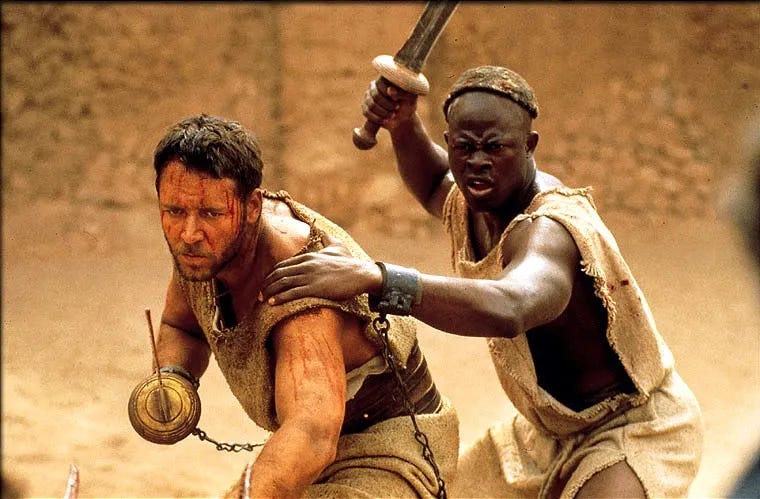
Batman’s hero arc begins with him being orphaned. Joseph’s with being sold into slavery. Gladiator’s Maximus sees his family murdered, and Aeneas flees from Troy as it burns to the ground.
In all of these cases, the main characters experienced struggles that are objectively more difficult than the vast majority of the ones you face today. Yet you don’t pity them or lament their bad fortune to the same degree you would if the same things happened in your own life. Why? Because you know the ending.
By reframing your life’s difficulties as temporary scenes in early acts, you can begin to conceive of how you’ll rewrite your story by the end of the play. Engage the imagination as much as you like in order to do so. In a tough marriage and feel like you made a mistake? Pretend you’re an 18th century aristocrat in an arranged marriage, who eventually learns how to make it work and cultivate romance with his wife. The possibilities are endless.
In living your life as art, the script, scenes, and storyboards matter far more than the props you use or the costumes you wear on stage. That is not to say, however, that they are unimportant. The objects you surround yourself with, whether on your body or in your environment, make a world of difference in terms of how you view yourself.
But where do you start? And how do you make sure that you are always moving forward in a spirit of love, and not materiality? It all comes down to one thing: knowing what it means to enchant the ordinary…