


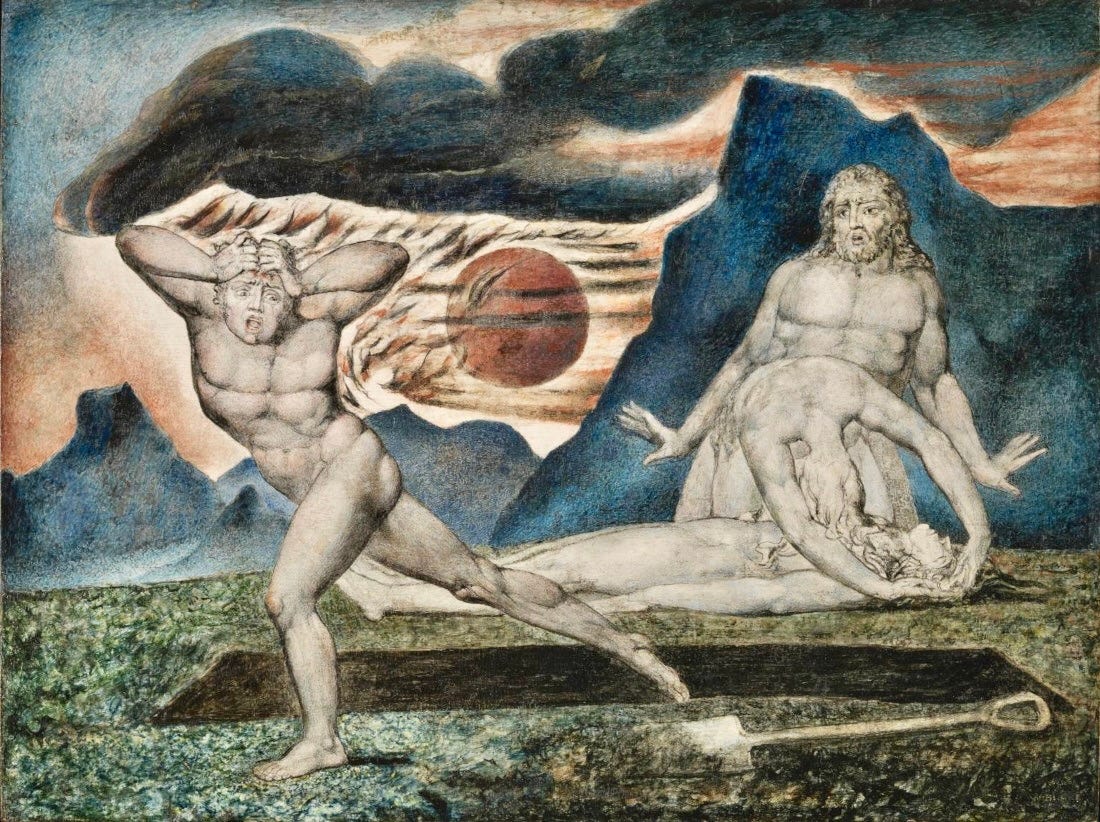
The tale of Cain and Abel is one of the best known, and most misunderstood, stories of the Bible. On the surface, it’s deceptively simple: God prefers Abel’s sacrifice, so Cain gets mad and murders his brother.
But of course, there’s much more to it than just that.
What most people miss is that before Cain murders Abel, he has a conversation with God. Seeing that Cain is feeling down, God comes to warn him about the dangers of sin, but Cain doesn’t heed his advice. The result? The murder of Abel, Cain’s exile, and his subsequent psychological torture.
This last element is one of the most overlooked, yet astonishingly relevant, parts of this nearly 10,000-year-old story. It reveals the reason why many people ruin their own lives, knowingly or unknowingly. By outlining the psychological factors behind Cain’s self-destruction, the tale gives you the tools to avoid making the same mistakes.
Today, we explore the hidden meaning of the story of Cain and Abel, and what you can learn from God’s warning…
Reminder: this is a teaser of our paid subscriber essays.
If you’d like to support our work, please consider a subscription. You’ll get:
New, full-length articles 2x per week
The entire archive of content (200+ articles, essays, and podcasts)
We’re currently reading Homer’s Odyssey in the book club. The next discussion is on Wednesday, July 1, at noon ET — join us!
Background & Lead-Up
From a Christian perspective, Cain and Abel are especially significant because they represent the first humans ever born. While Adam and Eve were created by God, Cain and Abel were born of woman, and are thus considered (in some ways) more representative of humanity as a whole. This is especially significant as we see how it is that their story turns tragic.
Cain is the firstborn child, which is significant because it means that he is naturally favored as the eldest son and heir. As for his profession, the Bible says he is “a tiller of the ground”, essentially a farmer. The exact phrasing of this, however, becomes more important later in the story.
Abel, on the other hand, is a shepherd: a keeper of animals and the one responsible for keeping beasts at bay. His profession and status as younger brother mean that he prefigures the character of King David. God described David as “a man after mine own heart”, and he looks with similar favor on the young Abel.
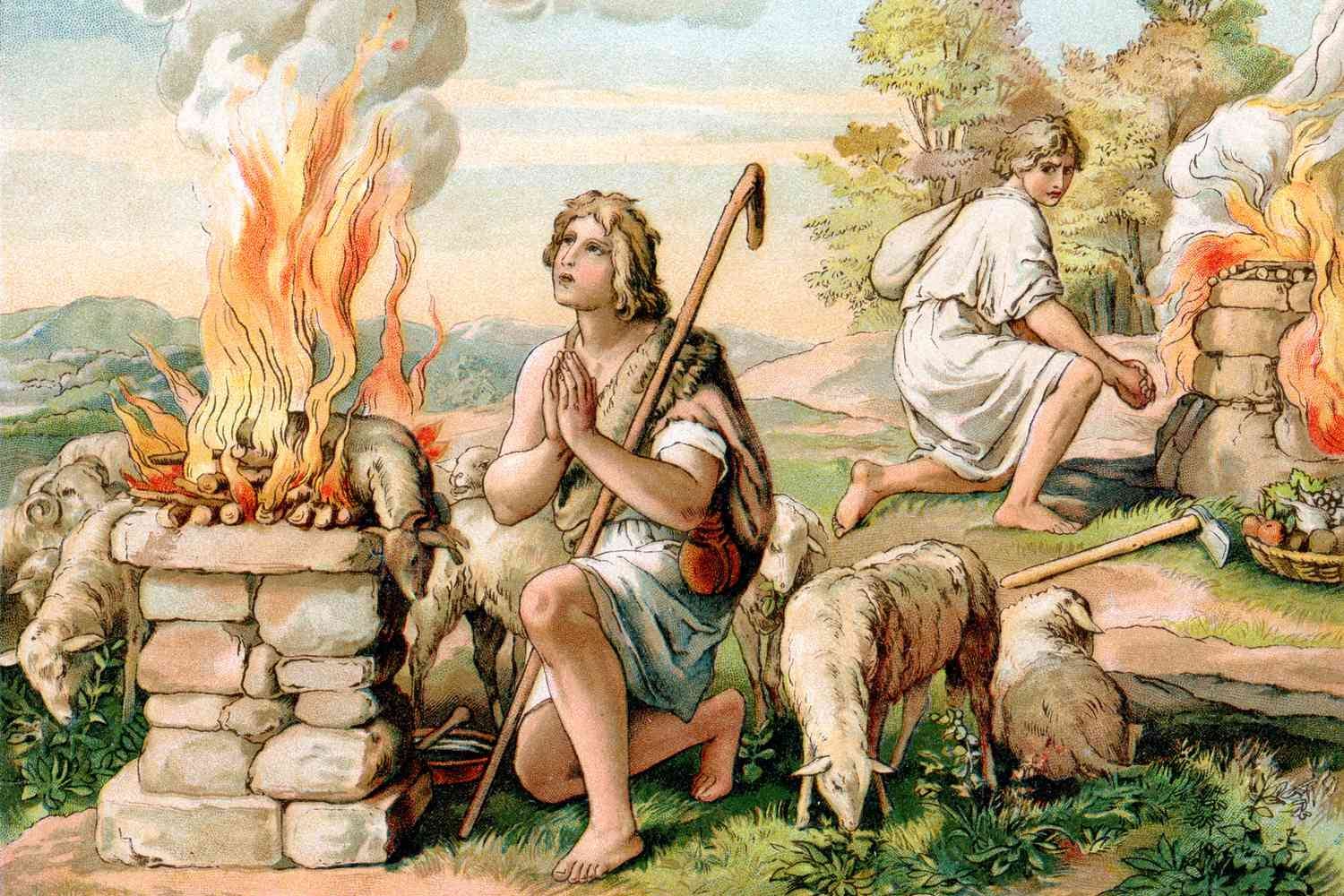
The fateful moment in which God’s favor — and lack thereof — becomes clear is in Genesis 4:3-5, which records:
In the course of time Cain brought to the Lord an offering of the fruit of the ground, and Abel brought of the firstlings of his flock and of their fat portions. And the Lord had regard for Abel and his offering, but for Cain and his offering he had no regard.
As a result, Cain gets upset and murders Abel. But what about Cain’s offering wasn’t pleasing to God? Or is God simply playing favorites?
The answer is revealed in the next two verses…
Cain’s Conversation with God
Immediately after stating that God had no regard for Cain’s offering, Genesis records that “Cain was very angry, and his countenance fell”. It is right at this point that the most remarkable part of the story takes place: Cain’s conversation with God.
Seeing that Cain is upset, God goes to him and asks why he is down:
The Lord said to Cain, “Why are you angry, and why has your countenance fallen?”
This is a remarkable line, for many reasons. For starters, it suggests that God isn’t simply playing favorites. If he were, then Cain’s frustration would be understandable — but as it stands, God seems to think Cain’s reaction is unjustified. This idea is supported by what he says next:
“If you do well, will you not be accepted?”
Here God indicates to Cain that things don’t have to remain as they are — in fact, he doesn’t want them to. God wants Cain to make a worthy offering he can accept, and reminds him that (to paraphrase), “If you do what is right, won’t I accept you and your offering?”
It’s clear, in other words, that God seeks to bring Cain into communion with him. Cain’s sacrifice wasn’t what it should have been, and God simply reminds him of the standard.
But this is where things begin to go wrong for Cain. Because instead of apologizing and making a new offering, Cain grows resentful. He doesn’t want to ask how he can remedy things. He’s upset they need to be remedied in the first place.
God recognizes this, and warns Cain:
“...sin is couching at the door; its desire is for you, but you must master it.”
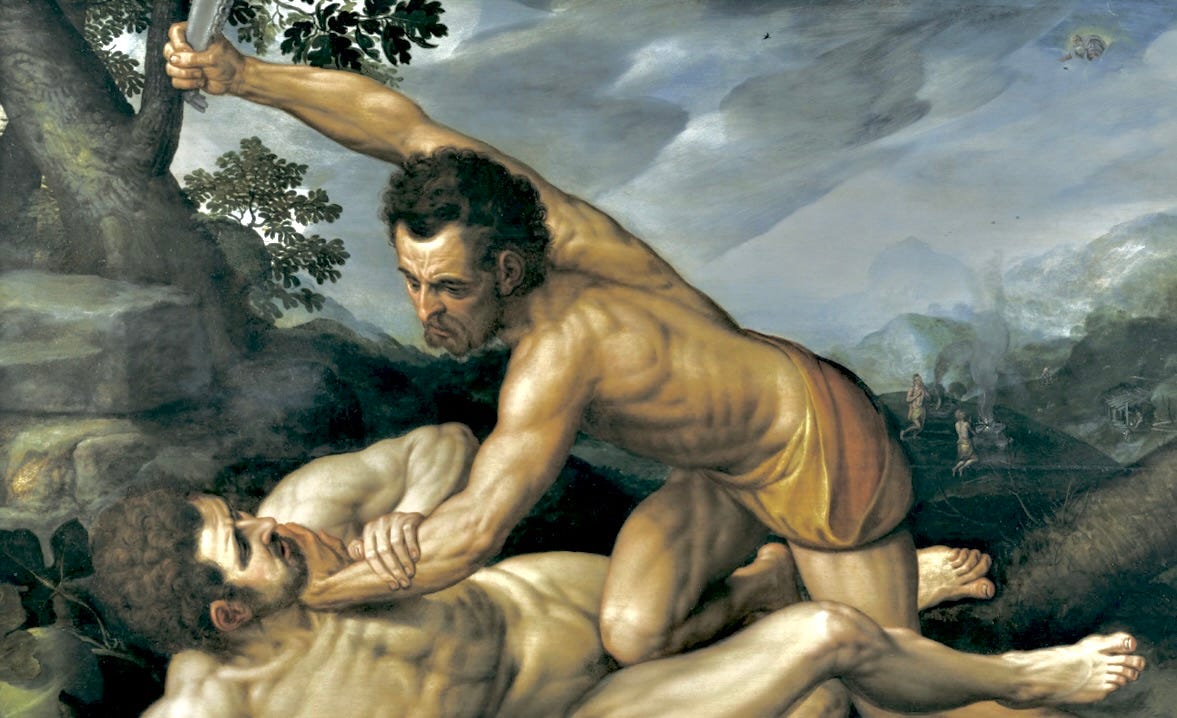
But far from mastering his anger, Cain lets it wash over him, and in the next verse he murders his brother.
But why? Why kill his brother even after being warned? What do Cain’s actions reveal about man’s tendency to self-destruction, and how to avoid it?
The answer to all of these questions lies in the events that follow and Cain’s punishment. Because instead of striking him down, God does something far worse: he lets him live.
At this point an uncomfortable truth starts to become clear, and we learn that Cain’s mistake wasn’t just murder. There are much deeper levels to this ancient story…