

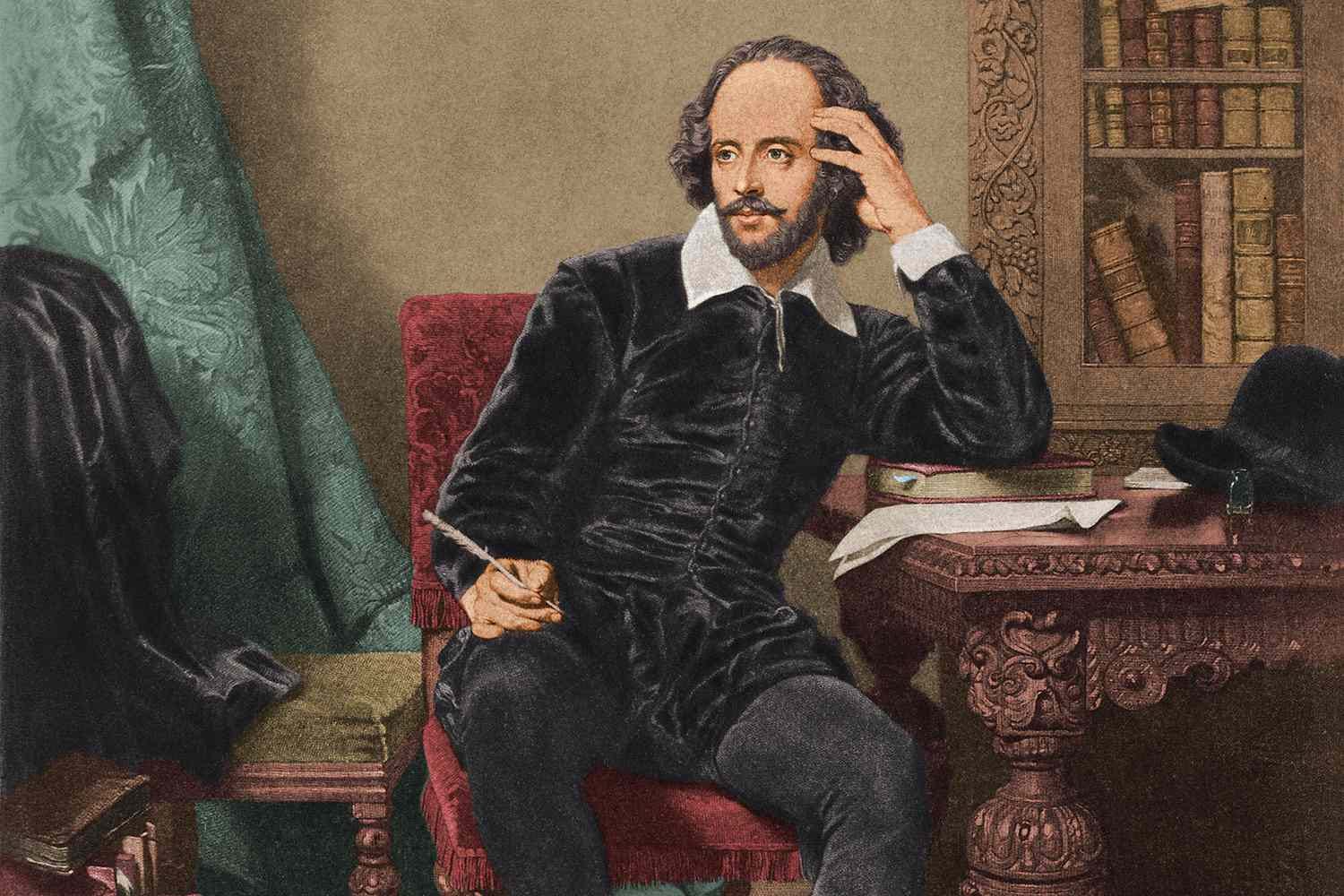
Shakespeare is arguably the most famous writer in history. His work has been translated into well over 100 languages. His plays are performed more than those of any other playwright, past or present. Characters such as Hamlet, Romeo, and Juliet are known the world over, even by those who have never once read his work.
And yet, at the same time, Shakespeare is somehow underrated. Students forced to study him in school aren’t properly taught to appreciate the wit, wisdom, humor, joy, drama, and meaning of his plays. He remains a bore at best; someone hardly worth reading at worst.
Admittedly, my early experience with Shakespeare was less than enthralling, and it wasn’t until I rediscovered him years later that I truly fell in love with his work. Since then, I’ve come to share the opinion of T. S. Eliot that “Shakespeare and Dante divide the world between them. There is no third.”
Today, then, we look at four lessons I learned reading Shakespeare, and what insight the Bard stands to offer you into your own life. There are, after all, plenty of reasons why his work is still read and performed over 400 years after his death, in languages and countries he never dreamed existed…
Don’t forget to join our book club!
We just started East of Eden by Steinbeck. It isn’t too late to join: the next discussion is on Wednesday, August 26, at noon ET!
You can watch back the first session (on Chapters 1-18) here.
We are 100% independent, funded only by the members of our incredible community. Support us by joining with a paid membership. You’ll get:
Full-length articles 2x per week
The entire archive (200+ articles, essays, and podcasts)
1) The Best Things in Life Can’t be Quantified
The Beatles’ “Can’t Buy Me Love” was one of the best-selling singles of the 1960s, and its message was simple: “I don’t care too much for money / Money can’t buy me love.”
The idea that the best things in life are free — or at the very least, unable to be purchased — is one that sits deep at the heart of our culture. But what we know intuitively, Shakespeare transforms into a comprehensive worldview and guiding principle that, when earnestly embraced, leads you to all that really matters in life.
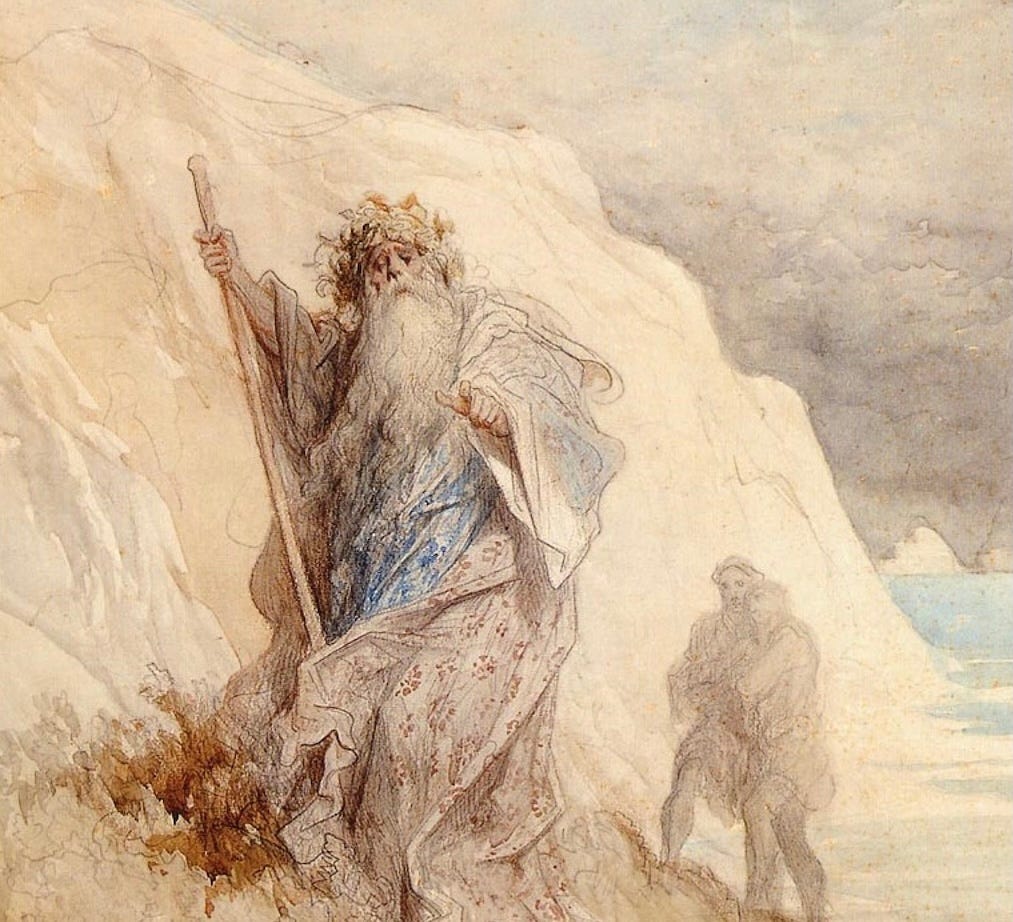
In King Lear, for example, Shakespeare launches an all-out attack on those who would reduce life down to a materialist perspective. Demonstrating that even the poorest among us seek comfort in unnecessary things, Shakespeare has King Lear exclaim:
Our basest beggars
Are in the poorest thing superfluous.
Allow not nature more than nature needs,
Man’s life is cheap as beast’s.
It’s a retort not simply to those who underestimate man’s need for beauty, but also to anyone who would discredit real personal challenges or social concerns because “GDP is up and you’re actually richer than ever”. If you aim to meet only man’s material needs, Shakespeare says, you treat him as though he is a beast. There is a spiritual dimension to man’s life as well, and it is fed by the unquantifiable: things like beauty, love, honor, etc.
On the topic of honor, Shakespeare addresses this too, albeit from a rather comedic angle. Following the climactic battle in Henry IV, Part 1, the disgustingly overweight and self-regarding character John Falstaff delivers a tirade against the idea of honor. Skeptical of its supposed merits, Falstaff asks:
Can honor set to a
leg? No. Or an arm? No. Or take away the grief of a
wound? No. Honor hath no skill in surgery, then?
No. What is honor? A word. What is in that word
“honor”? What is that “honor”? Air. A trim reckoning.
Who hath it? He that died o’ Wednesday…
From a purely logical perspective, Falstaff seems to make an airtight argument against honor. But the irony is that the reason Falstaff is such a pitiful character — hilarious though he may be as the play’s comic relief — is precisely because he has no sense of honor.
Even if Falstaff knew how to set a leg or to “take away the grief of a wound”, his social standing would be no more improved by this practical knowledge. If he chose to adhere to a code of honor, however, this would genuinely transform his life: instead of getting discarded by the future king for his disreputable conduct, he would have remained one of his closest confidants.
The things that most impact your life, in other words, are not those that merely heal your wounds or keep you fed, but those that shape your heart, mind, character, and soul. But what happens when your desire for things like love and honor takes a dark turn, and leads you to make compromises to obtain them?
This is what Shakespeare tackles next, and it’s one of his most chilling warnings…