


Film and television constitute the bulk of modern entertainment. An ever-decreasing portion of adults prefers reading, but most of it is confined to novels, non-fiction, or news. Whether as a source of entertainment or insight, plays are practically forgotten.
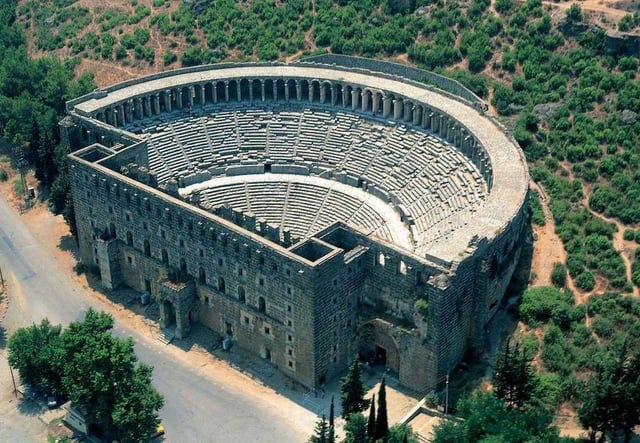
This is a terrible mistake, for the role of plays in shaping Western civilization cannot be overstated. Long before the founding of Rome or the invention of the printing press, there was the theatre. It shaped the minds of Ancient Greece and laid the foundation for all of Western art, politics, and philosophy.
But of course, the role of theatre doesn’t stop there. Today, we take a step back in time to look at how five of history’s greatest plays shaped Western culture, from the Ionian peninsula to Elizabethan England and the court of France’s Roi Soleil.
If you’ve ever wanted a “must-read” list of history’s best theatre, there’s no better place to start than here…
Don’t forget to join our book club!
We are currently reading East of Eden by John Steinbeck.
The next discussion is TODAY, September 9, at noon ET. Watch the previous discussions here if you missed them.
We are 100% independent, funded only by our incredible community. Become a paid member and get:
New, full-length articles and essays 2x per week
The entire archive (200+ articles, essays, and podcasts)
1) Antigone
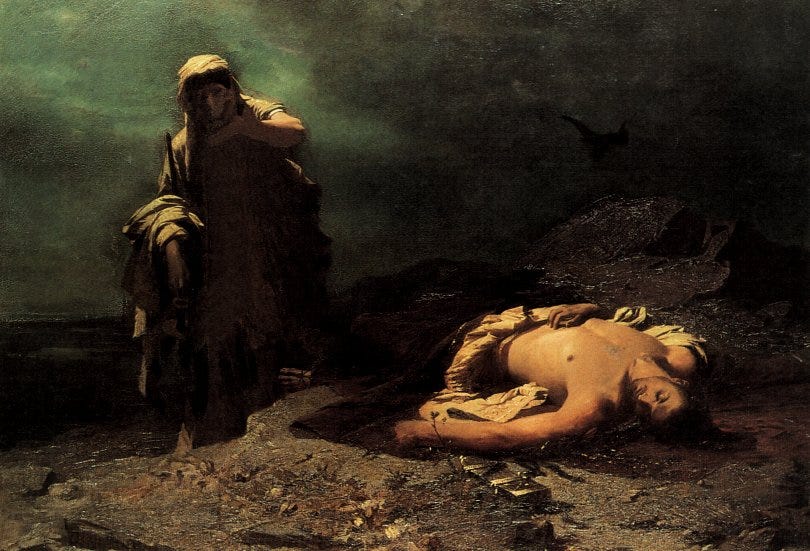
Written in the 5th century BC by the playwright Sophocles, Antigone explores the ideas of divine law, political authority, family bonds, personal conscience, and the consequences of pride…just to name a few!
The central tension of the play arises from the character Antigone’s decision to bury her brother, despite King Creon ordering her not to. But don’t let this oversimplification fool you, for Creon is no petty tyrant. At the heart of his disagreement with Antigone is a real political dilemma that continues to shape politics to this day.
When you read Antigone, you get exposed to one of the foundational ideas of all Western civilization: natural law. You can trace a line from Sophocles’ play to the work of Cicero, Thomas Aquinas, the Catechism of the Catholic Church, and today’s concept of “conscientious objectors”.
The play raises questions like: to what extent must the law be enforced in order for it to mean anything? To what degree do the “unwritten and unfailing laws” of the gods outweigh legitimate legal authority? And, most importantly, how do the answers to these theoretical questions impact real people in the real world every single day?
Antigone explores all this and more in thrilling fashion. It is not a play you can afford to ignore.
2) Hamlet
Hamlet begins with a ghost and a demand for revenge, but what follows is something far more profound: an extended meditation on death, duty, grief, betrayal, love, and the mystery of what comes after this life.
The only real problem with Hamlet is that (in some ways, like its protagonist) it’s a victim of its own success. It’s a play everyone “knows,” and because of this, few take the time to know it on its own terms. But the more time you spend with Hamlet, the more you get out of it. It asks far more questions than it answers, and offers one of the most far-reaching explorations of the human condition ever put to stage.
That said, arguably the entirety of Hamlet’s premise can be summed up in one line. It is a word of caution delivered to the eponymous character’s friend from university, but it is just as well meant for us:
“There are more things in heaven and earth, Horatio, than are dreamt of in your philosophy…”
3) Life Is a Dream
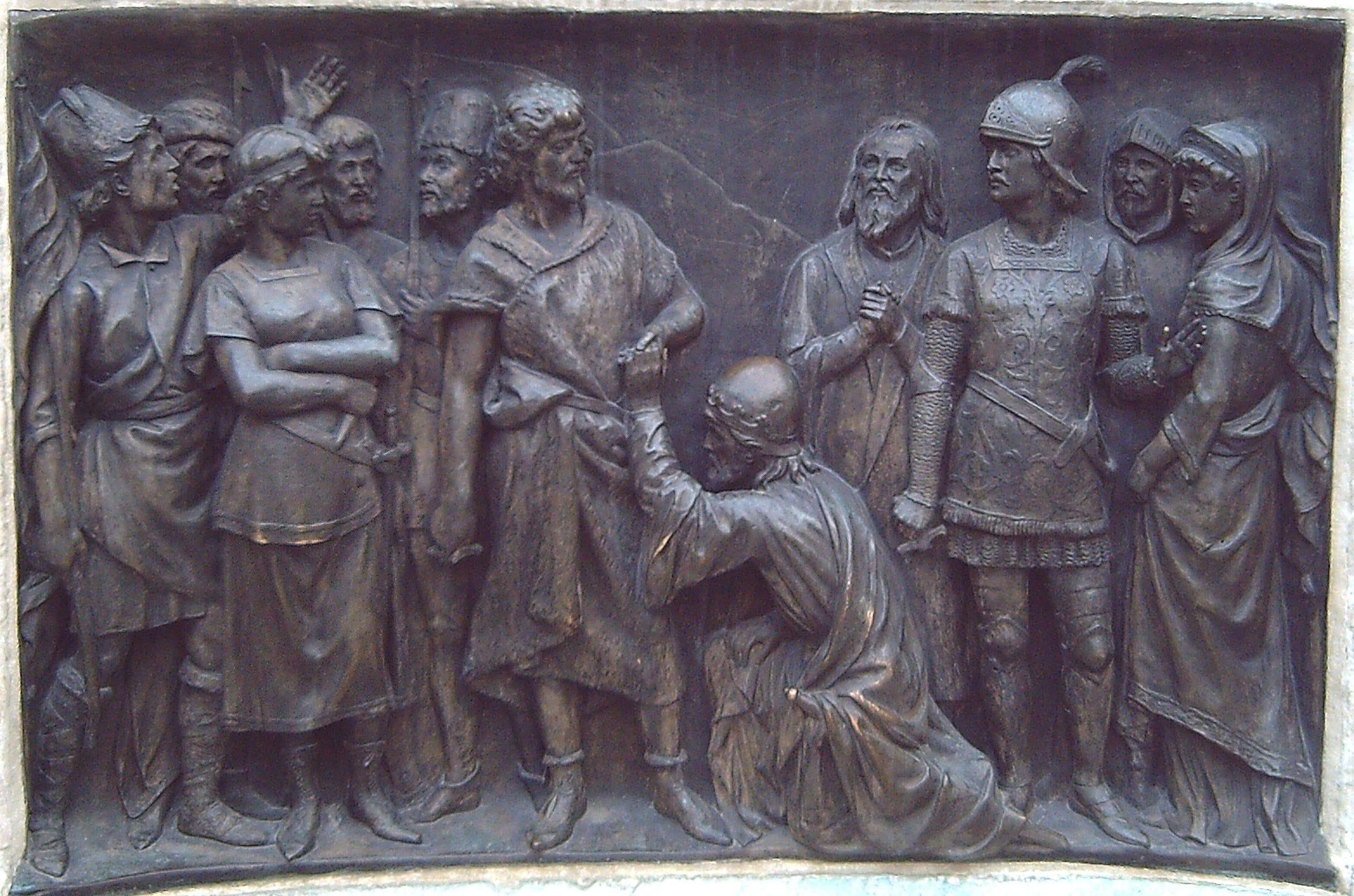
Pedro Calderón de la Barca is known as “the Spanish Shakespeare,” and with good reason. He penned approximately 200 plays, and his Life Is a Dream is perhaps the greatest philosophical drama of Catholic Baroque Europe.
The surreal play kicks off with a prophecy about the king’s son, who is destined to become a tyrant and bring ruin upon the kingdom. Although the details of the plot differ quite drastically from that of Oedipus Rex (another play by Sophocles, which we wrote a breakdown of here), the main question at its heart is the same: can man escape his fate?
To answer that question, Calderón de la Barca blends together the classical outlook on fate with Christian ideas of free will and providence. The result is a play that inverts the tragedy of Oedipus Rex and demonstrates how human freedom can triumph over fate and circumstance. It does so by questioning the very nature of reality itself, and showing that even if “life is a dream,” that doesn’t change the moral basis for our actions…
4) The Misanthrope
No list of great plays is complete without at least one entry by Molière! The Misanthrope, one of his greatest plays, is about a man fed up with the world of polite society.
The character in question, Alceste, despises flattery and the seemingly harmless lies told in everyday conversation. When a man reads him a sonnet he wrote and asks Alceste’s opinion, he replies that it’s terrible. No polite head nodding or encouragement from him!
But while Alceste thinks himself righteous and honest for telling the truth, the limits and inconsistencies of his uncompromising approach eventually come to light. Not only that, but the play also explores the extent to which disingenuous compliments and polite phrases are actually necessary elements of any developed civilization.
If you’ve ever gotten upset when someone casually asks “how are you?” this play has your name on it.
5) Faust
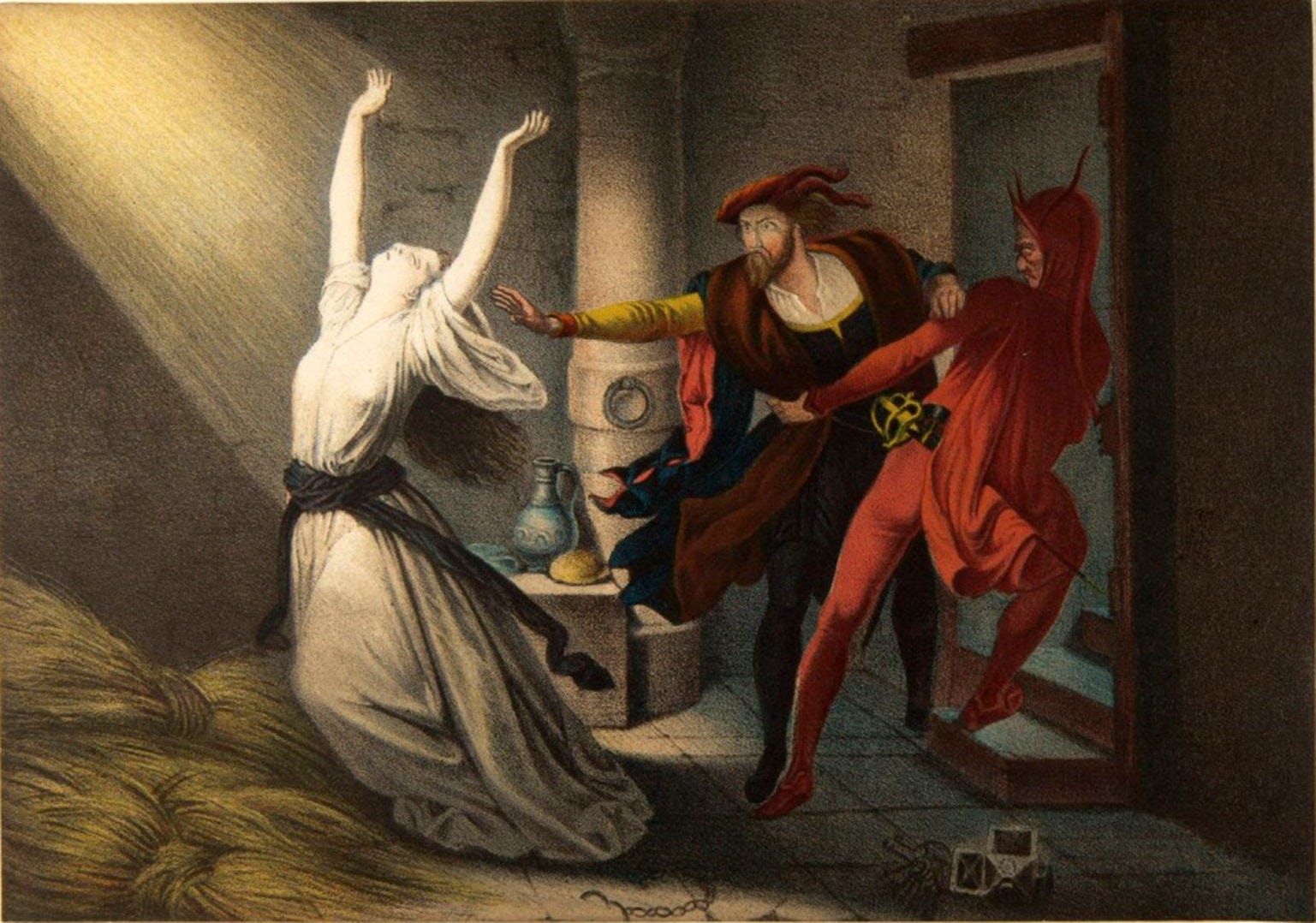
Goethe’s magnum opus Faust is a classic tale about a deal with the devil. It begins with an aging scholar who, although he has studied all fields of human knowledge, realizes he still doesn’t know the secrets of the universe. He is so miserable he contemplates suicide, and into this context steps the demon Mephistopheles.
Mephistopheles says he’ll serve Faust in this life if Faust serves him in the next. After some negotiations, the two finally come to a deal: if Mephistopheles can offer Faust an experience so wonderful and transcendent that he wishes to remain in it forever, then he will die immediately and serve the devil in Hell.
But as it turns out, neither side fully knew what they were getting into. Mephistopheles is stumped by man’s inability to ever be satisfied, and Faust drastically underestimates the havoc his pursuit of pleasure wreaks in the world, not to mention his own life. The play ends with a dramatic reversal of fortune that leaves many of those onstage — and in the audience — asking whether or not Faust really got what he deserved.
Much like the work of Goethe himself, Faust is a wide-ranging play that covers almost every bit of the human experience, from desire to grief, gain, cunning, commerce, sin, and salvation. What becomes of the man who never stops striving? Goethe’s answer, whether right or wrong, might well surprise you…
Great choices! I would only add Medea or King Lear
I’d suggest the Agamemnon trilogy by Aeschylus before Antigone.
Antigone is probably the most popular Ancient Greek tragedy but it’s completely misunderstood.
A couple months ago I posted this essay explaining why, I hope you don’t mind me including the link: https://chriscoffman.substack.com/p/antigone-homicidal-empathy-and-the?